Best places to live in Cornwall: Towns, villages and moving guide for 2027
If you are dreaming of sea air, coastal walks and a slower pace of life, you are far from alone. Choosing between the best places to live in Cornwall can feel tricky, because each town has its own character, from busy harbour towns to tiny fishing villages tucked into the cliffs. This guide walks you through the towns and villages worth considering, what daily life is like, and what you need to know before moving to Cornwall in 2027.
What is life in Cornwall like?
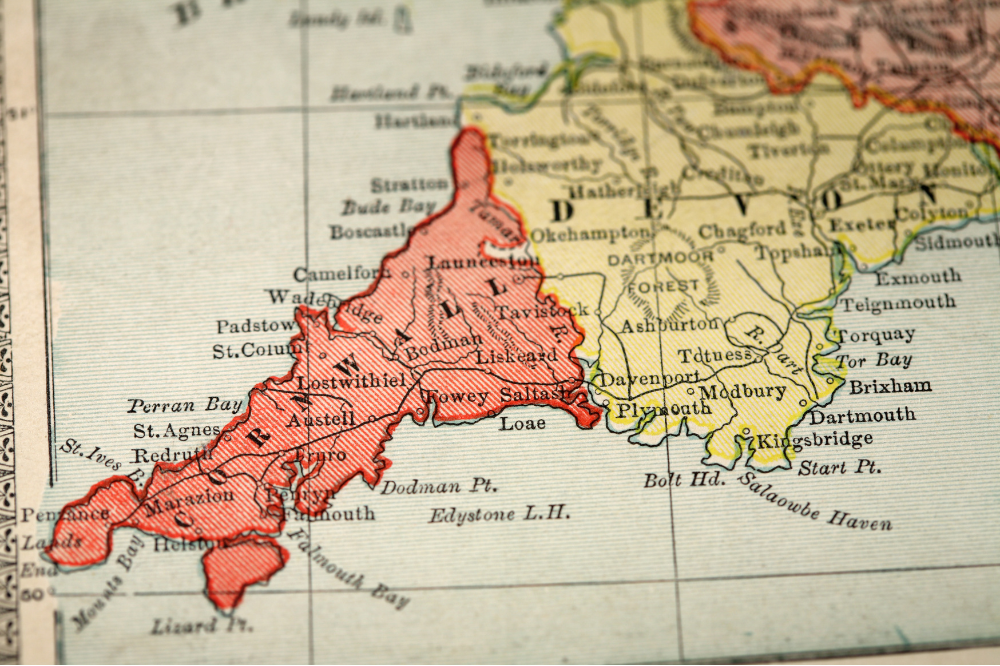
Cornwall sits at the far south-west tip of England, surrounded on three sides by the sea. The north coast faces the Atlantic, with dramatic cliffs and surf beaches, while the south coast is gentler, with sheltered estuaries, wooded creeks and sailing harbours. The climate is generally mild, although you should expect wind and rain through the winter months.
Cornwall has a strong sense of identity, with its own flag, a revived Cornish language and a calendar of local festivals. The economy leans on tourism, food and farming, the creative industries, health and education, and an increasing number of people now work remotely. Life is busy in the summer holidays and much quieter from autumn to spring, which many residents see as the best time of year.
Which are the best places to live in Cornwall?
1. Is Truro a good place to live?

Truro is Cornwall's only city and its main centre for shopping, services and employment. The Royal Cornwall Hospital at Treliske is a major local employer, and the Hall for Cornwall hosts theatre and live music. The centre of Truro is compact and walkable, with independent shops, a covered market area and the striking Truro Cathedral. It has good schools, a mainline railway station and easy access to the A30, which makes it a practical base for families and those who need to travel around the county.
2. Why do people choose Falmouth?
Falmouth combines a lively harbour town with beaches such as Gyllyngvase and Swanpool. It is home to the National Maritime Museum Cornwall, and the nearby Penryn campus is shared by Falmouth University and the University of Exeter, which brings a youthful, creative feel. You will find plenty of cafés, galleries and restaurants, plus a branch line railway to Truro. Falmouth suits people who want coastal living without feeling isolated.
3. Is St Ives a good place to live all year round?
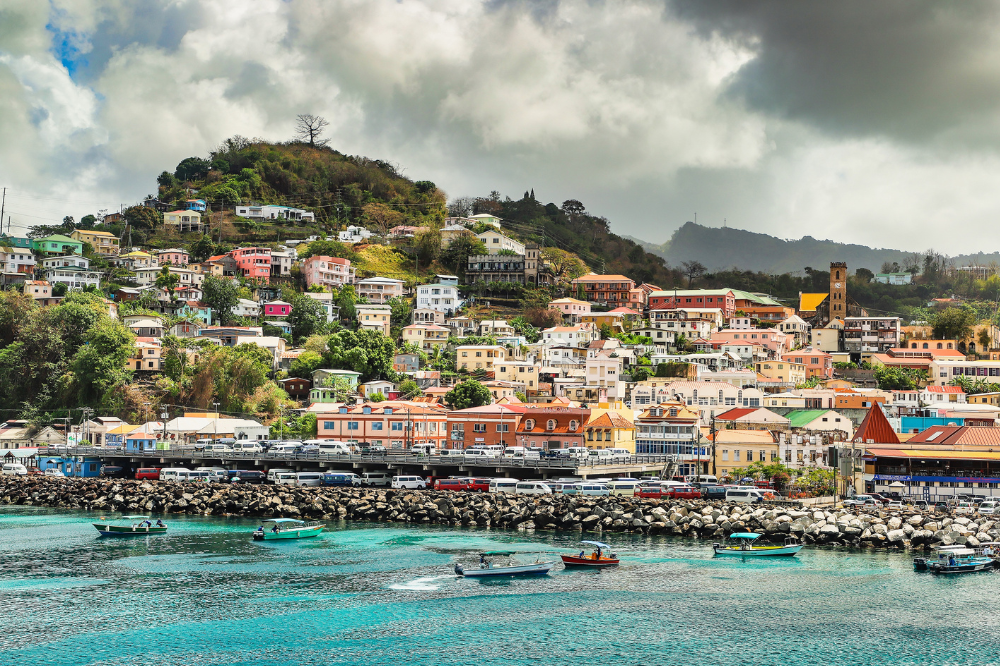
St Ives is famous for its light, sandy beaches and artistic heritage, with Tate St Ives and the Barbara Hepworth Museum and Sculpture Garden both in the town. It is extremely popular with visitors in summer, and a high proportion of homes are holiday lets or second homes, so the winter months are much quieter. If you value beauty and creativity and do not mind seasonal crowds, it can be a wonderful place to live. Nearby Carbis Bay and Lelant offer a slightly calmer alternative.
4. What about Padstow and Wadebridge?
Padstow is a working fishing port on the Camel Estuary, well known for its seafood restaurants. It can be very busy in summer and property is often in high demand. Wadebridge, a few miles inland, is a popular alternative with a more everyday feel, a good range of shops and easy access to the Camel Trail, a traffic-free walking and cycling route linking Padstow, Wadebridge and Bodmin. Wadebridge also sits close to the A39 and A30.
5. Is Fowey a good choice for a quieter life?
Fowey is a pretty harbour town on the south coast with narrow streets, sailing clubs and strong literary links to Daphne du Maurier. It suits you if you want a peaceful, characterful setting and enjoy being on the water. Parking and access can be limited in the older streets, which is worth bearing in mind when you plan your move. St Austell and the Eden Project are a short drive away.
6. Why consider Penzance?
Penzance is the largest town in the far west and the end of the Great Western main line from London Paddington. It has the restored art deco Jubilee Pool, views across Mount's Bay to St Michael's Mount, and ferry and air links to the Isles of Scilly. Property is often more affordable than in some of Cornwall's best-known coastal resorts, and nearby Newlyn and Mousehole add fishing heritage and village charm.
7. Which towns suit commuters to ?
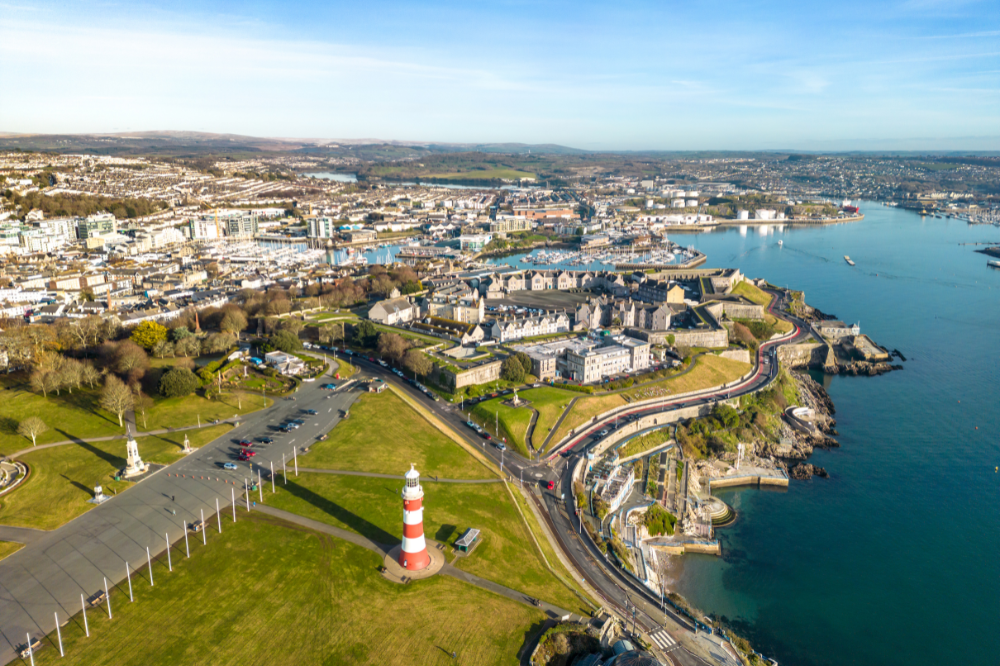
If you work in Plymouth or travel into Devon regularly, look at south-east Cornwall. Saltash sits beside the Tamar Bridge and has a railway station, while Torpoint is linked to Plymouth by the Torpoint Ferry. Liskeard, a market town on the main railway line, is popular for its more affordable housing and access to Bodmin Moor and the south coast at Looe.
8. Is Bude a good place for families?
Bude, on the north coast near the Devon border, is known for its wide surf beaches, the tidal Bude Sea Pool and a relaxed, outdoor lifestyle. It has a range of schools and a friendly community feel. The nearest railway station is some distance away, so you will usually need a car.
9. What about Launceston?
Launceston is a historic market town with a hilltop castle, close to the Devon border. It sits right beside the A30, so you can reach Exeter and the motorway network fairly easily. It is a sensible option if you want Cornish life with straightforward road links east.
Which Cornish villages are worth considering?
If you prefer village life, Cornwall has plenty of options, although homes in the most picturesque spots can come up for sale only rarely. A few to explore:
- St Agnes: a friendly north coast village with mining heritage, clifftop walks and a strong community spirit.
- St Mawes: a sheltered south coast village on the Roseland Peninsula, with a passenger ferry to Falmouth.
- Mousehole: a small fishing village near Penzance, known for its harbour and Christmas lights.
- Port Isaac: a dramatic north coast fishing village with narrow lanes and steep streets.
- Mevagissey: a working harbour village near St Austell with a lively seafront.
Village life usually means fewer shops and services on your doorstep, so check how far you are from schools, a GP surgery and a supermarket.
What should you know before moving to Cornwall?
How easy is it to get around?
The A30 runs through the middle of Cornwall and links to the M5 at Exeter, while the A38 crosses the Tamar Bridge into Plymouth. Great Western Railway runs services from London Paddington to Penzance, including the Night Riviera sleeper, and branch lines serve St Ives, Falmouth, Newquay, Looe and Gunnislake. Cornwall Airport Newquay offers domestic and some international flights. In rural areas, buses can be infrequent, so most people rely on a car.
What are house prices like?
Prices vary widely across Cornwall. Popular coastal towns and villages are often expensive compared with local incomes, while inland towns such as Bodmin, Camborne, Redruth and Liskeard tend to offer more space for your money. The best way to get an accurate picture is to look at recent sold prices for the postcodes you are interested in and speak to local estate agents.
Is broadband good enough for remote working?
Full fibre has reached many parts of Cornwall, but speeds can still vary in rural areas and small villages. Before you commit to a property, check the available broadband and mobile coverage for that exact postcode with providers and online coverage checkers.
How busy does Cornwall get in summer?
Very busy. During the school holidays, roads such as the A30 can be congested, and parking in popular towns fills up quickly. If you can, avoid moving at the height of summer and plan your journey to avoid peak weekend traffic.
What about schools and healthcare?
Cornwall has a mix of primary and secondary schools, with sixth forms and further education colleges in the larger towns. Check Ofsted reports and admissions arrangements through Cornwall Council. Register with a GP as soon as you arrive. NHS dental places can be limited in some areas, so it is worth looking early.
How do you plan a move to Cornwall?
A long-distance move to Cornwall needs careful planning, especially if your new home is down a narrow lane or in a historic harbour town. These steps will help:
- Visit out of season. Spend time in your chosen area in winter to see what everyday life is like.
- Book early. Spring and summer are popular for moving, so secure your date in good time.
- Check access. Narrow streets, steep hills and limited parking can mean a smaller vehicle is needed to shuttle belongings from a larger one. A home survey helps your removal company plan for this.
- Ask about parking. In some towns, you may need permission to park a removal vehicle, so check with Cornwall Council.
- Think about storage. If your completion dates do not line up, self storage can bridge the gap. Choose a secure facility to keep your belongings safe at all times.
Frequently asked questions
- Where is the best place to live in Cornwall for families?
Truro, Falmouth, Bude and Wadebridge are popular with families thanks to their schools, services and access to beaches and green space. The right choice depends on your work and lifestyle.
- What is the most affordable area of Cornwall?
Inland towns such as Camborne, Redruth, Bodmin and Liskeard often offer better value than coastal hotspots, although prices vary by street and property type.
- Is moving to Cornwall a good idea if I work remotely?
It can be, as long as you check broadband for the specific postcode. Towns with railway stations, such as Truro, Liskeard and Penzance, also make occasional trips to London more practical.
- How long does it take to get to London from Cornwall?
Journey times vary by location. Trains from Truro and Penzance to London Paddington typically take several hours, and driving times depend heavily on traffic.
- Is Cornwall quiet in winter?
Yes, many coastal towns are much quieter outside the main holiday season. Some cafés and attractions reduce their opening hours, but larger towns stay busy all year.
Start planning your move to Cornwall
Whether you are drawn to the creative buzz of Falmouth, the practicality of Truro or the peace of a south coast village, careful planning makes moving to Cornwall far smoother. Pickfords has years of experience with long-distance moves, including homes with tricky access, and can help you plan your journey from start to finish. When you are ready, get a quote or book a free home survey with Pickfords.