Best places to live in Germany 2027: moving from the UK
Germany is a large and varied country, so you have plenty of choice when deciding where to live. Many British movers head for big cities such as Berlin, Hamburg and Frankfurt, while others prefer the slower pace of a historic town or a home on the Baltic coast. If you are moving to Germany from the UK in 2027, this guide takes you through some of the best places to live in Germany and explains what you need to sort out first, from residence permits and registering your address to removals to Germany.
Budget is often the deciding factor, so read this alongside our guide to the cost of living in Germany vs the UK, which compares rent, transport, energy, salaries and tax side by side.
Moving to Germany from the UK in 2027: the essentials
Residence after Brexit
Since 1 January 2021, UK nationals need a visa or residence permit to live in Germany for longer than 90 days in any 180. According to GOV.UK's Living in Germany guide, permits are available to work, study, join family, volunteer or carry out research. If you did not apply before leaving the UK, you must book an appointment with your local Foreigners' Authority (Ausländerbehörde) within 90 days of arriving. Check the rules for your situation with the German missions in the UK before you set a moving date.
Registering your address (Anmeldung)
Within 14 days of moving into your new home, you must register your address at the local registration office (Bürgeramt). Bring your passport and the landlord's confirmation form (Wohnungsgeberbestätigung). Registration unlocks other steps, including your tax ID, which arrives by post, and opening a bank account.
Health insurance, tax and driving
Health insurance is compulsory in Germany and is usually arranged through a statutory insurer (Krankenkasse) with your employer. The UK and Germany have a double taxation agreement. You can drive on your UK licence for up to six months after becoming resident, then you need to exchange it for a German licence.
Removals to Germany from the UK: how shipping works
Most removals to Germany travel by road and ferry or the Channel Tunnel, so your belongings can go door to door. Smaller moves often share vehicle space (groupage), while larger households may need a dedicated vehicle, which usually gives more control over collection and delivery dates. Costs depend on the volume you are moving, the distance and the services you choose.
Our international removals team can survey your home, provide packing services and prepare an inventory for your move. If you want to keep some belongings in the UK, self storage starts from £18. Choose a secure facility to keep your belongings safe at all times.
Best places to live in Germany
1. Berlin
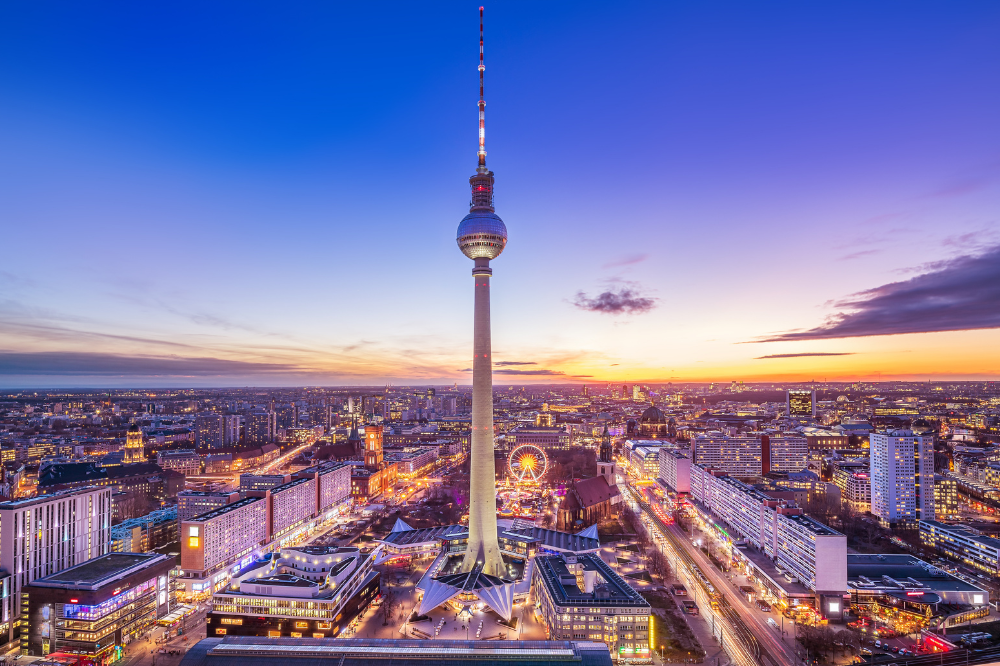
Berlin is Germany's capital and largest city, home to around 3.9 million people. It is popular with British movers for its international, multicultural feel, which is harder to find elsewhere in the country.
Young professionals are drawn by the start-up scene, the creative industries and the growing technology sector. Employees in Germany benefit from strong legal protections and generous holiday entitlements, which adds to the appeal.
Berlin is also known for its sustainable transport. The U-Bahn, S-Bahn, trams and buses make getting around easy without a car, and the city has an extensive network of cycle lanes, so it suits keen cyclists well.
2. Düsseldorf
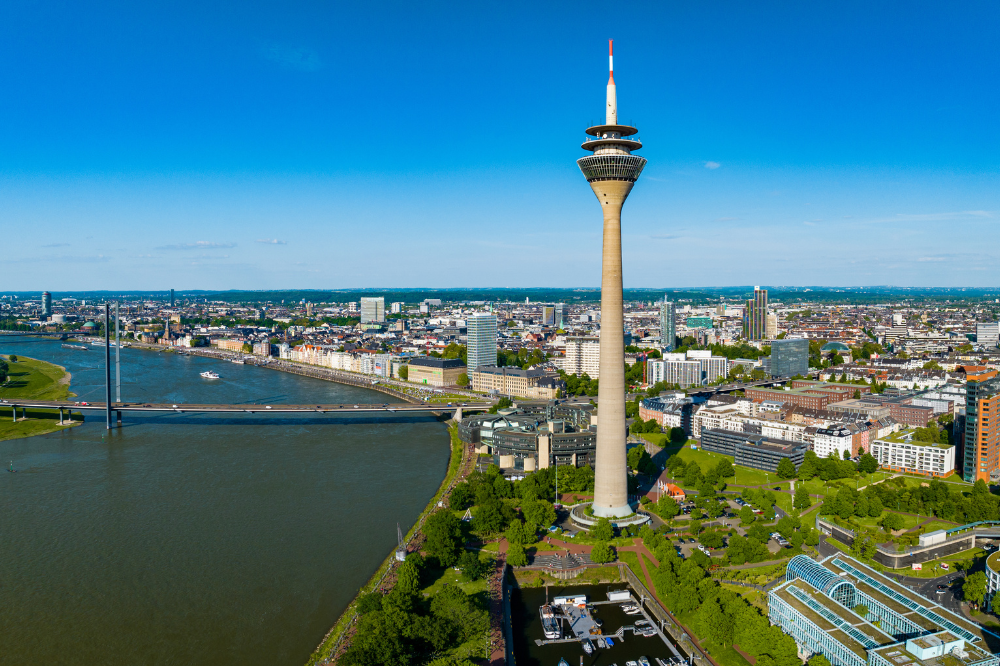
Düsseldorf is often overlooked by British movers, partly because English is less widely spoken than in Berlin. If you want an urban lifestyle with a high quality of life, it is well worth considering.
Families are drawn to Düsseldorf for its international schools, kindergartens and playgroups. Attractions such as the Grafenberger Wildpark, plus Phantasialand theme park within driving distance, keep children busy, and there are plenty of museums and theatres too.
Its location is ideal for travel. Düsseldorf Airport is one of Germany's busiest, with direct flights to many UK airports, so trips home are easy to arrange.
3. Hamburg
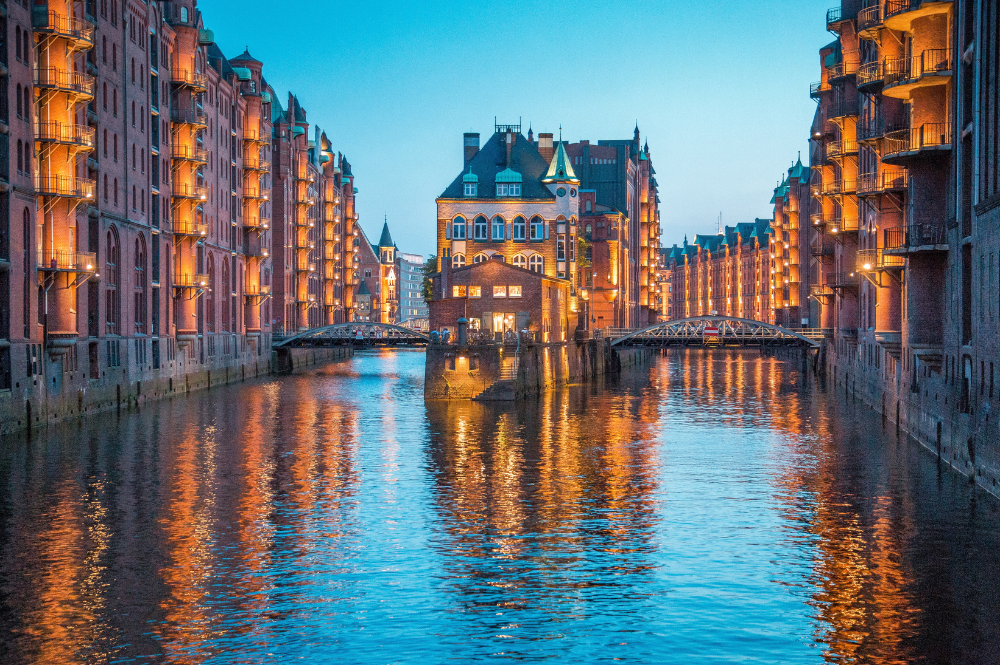
Hamburg is a port city on the River Elbe, with access to the North Sea. It is an important commercial hub, so there are plenty of job and business opportunities, particularly in trade, logistics and media.
The city has a long international history and a diverse population. Its climate is maritime, with mild summers and winters that are usually less severe than in southern Germany, which many British movers find familiar. Lakes such as the Alster and the city's many canals give Hamburg a relaxed waterside feel.
4. Rottweil
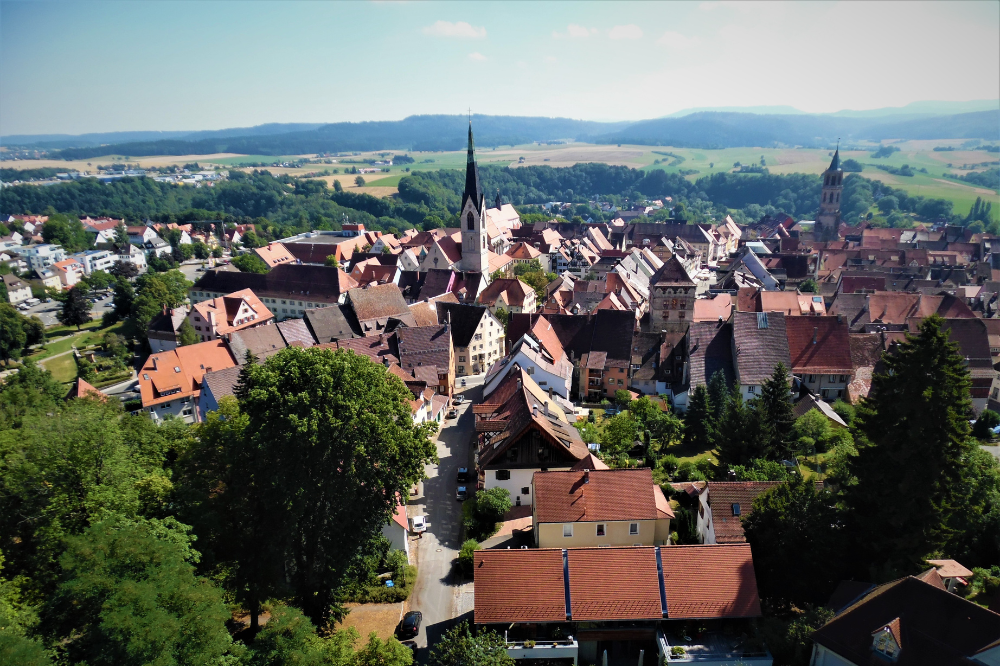
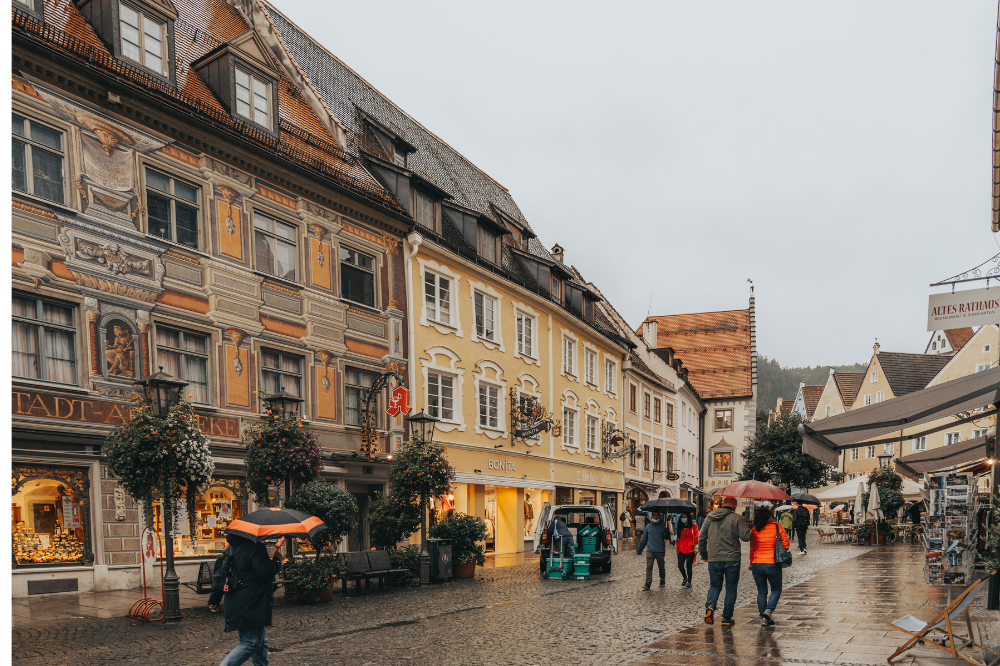
Rottweil is a traditional town near the Black Forest and is considered the oldest town in Baden-Württemberg. Its cobbled streets, tall painted houses and independent shops make it a charming place to live.
If you want an outdoor lifestyle, Rottweil sits between the Black Forest and the Swabian Alps, with excellent walking and cycling routes. The town is small and easy to get around on foot.
Rottweil is famous for its Fasnet carnival, held in the run up to Lent, when performers in carved wooden masks parade through the streets. It is a great opportunity to meet your neighbours and experience local tradition.
5. Binz
Binz is a seaside resort on the island of Rügen on Germany's Baltic coast. British movers love its white sand, seafront promenade and elegant resort architecture.
It suits anyone looking for work in tourism and hospitality, as the town is very popular with German holidaymakers in summer. In spring, you can enjoy the long sandy beach before the busy season begins, with activities such as beach volleyball and football.
History lovers can visit the Granitz hunting lodge, set in woodland above the town and reached by the Rasender Roland steam railway, which offers wonderful views over the coast.
How to choose where to live in Germany
- For careers in technology and the creative industries: Berlin
- For families wanting international schools: Düsseldorf
- For trade, logistics and waterside living: Hamburg
- For a quieter, traditional lifestyle: Rottweil
- For coastal living and tourism work: Binz
Frequently asked questions
- What is the best place to live in Germany for British people?
Berlin is the most popular choice because of its international community and English-friendly workplaces. Düsseldorf and Hamburg also suit families and professionals. The right choice depends on your work, budget and lifestyle.
- Can I move to Germany from the UK after Brexit?
Yes, but you need a residence permit that matches your plans, such as work, study or family. If you did not apply before leaving the UK, you must book an appointment with the Foreigners' Authority within 90 days of arriving.
It is the registration of your address at the local Bürgeramt. You must complete it within 14 days of moving in, and you need it for your tax ID and many everyday tasks.
- How do removals to Germany work?
Most moves go door to door by road. You can share space on a vehicle for smaller moves or book a dedicated vehicle for a full house. Your removal company will survey your belongings and confirm timescales.
- Is it cheaper to live in Germany than in the UK?
Rent and public transport are often cheaper, but electricity and social contributions tend to be higher. Our cost of living guide compares the main costs side by side.
- Can I take my pet to Germany?
Yes, provided your pet meets the EU entry rules, including a microchip and rabies vaccination. Our pet shipping service can help with arrangements.
Ready to plan your move? Request a free quote for your international move, or get in touch with our expert team for personalised advice on moving to Germany.