Best places to live in Kent
Known as the Garden of England, Kent offers rolling countryside, historic market towns, a long coastline and fast rail links into London. If you are researching the best places to live in Kent, you have a wide choice, whether you want a commuter town with good schools, a seaside town with a creative scene or a quiet village in the Weald. This guide introduces the top towns to consider in 2027 and shares practical advice to help you plan your move.
Why choose Kent?
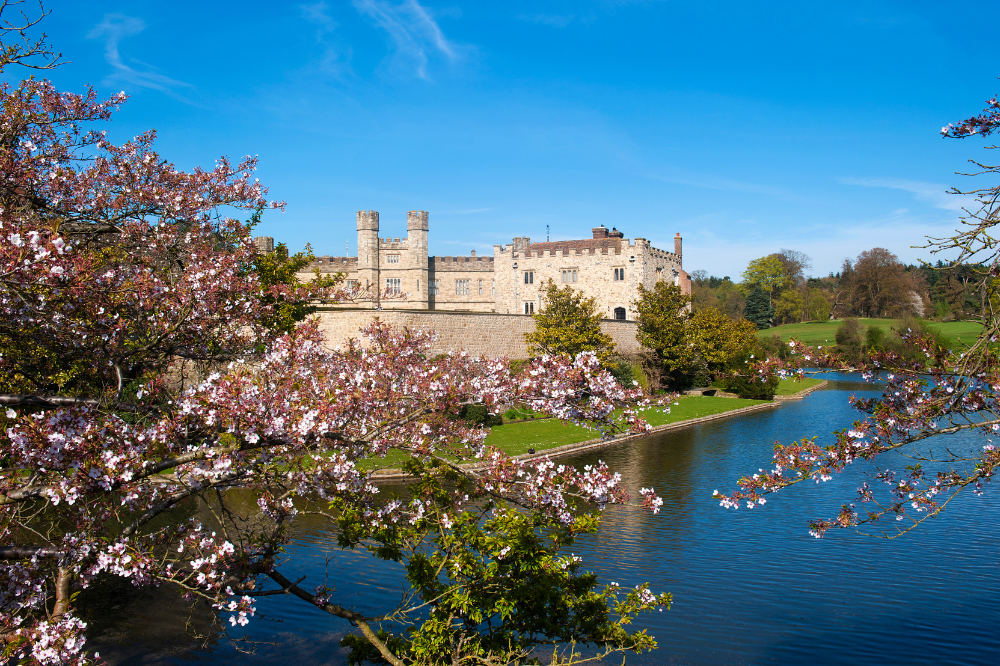
Kent combines countryside and coast with easy access to London and continental Europe. The county is known for its orchards, hop gardens and vineyards, and much of it falls within the Kent Downs and High Weald National Landscapes (formerly Areas of Outstanding Natural Beauty). The Port of Dover and the Channel Tunnel terminal near Folkestone make trips to France straightforward.
Kent also has a selective education system, with grammar schools alongside non-selective secondary schools, which is a key consideration for many families. Housing ranges from period cottages and Victorian terraces to large new developments, and prices vary considerably between the west and east of the county.
Which are the best places to live in Kent?
1. Is Royal Tunbridge Wells a good place to live?
Royal Tunbridge Wells is an elegant spa town with Georgian architecture, independent shops and the colonnaded Pantiles. The Common and Dunorlan Park offer plenty of green space, and the Trinity Theatre and Assembly Hall Theatre provide a busy arts calendar. Direct trains run to London Charing Cross and Cannon Street, and the town has a strong choice of schools. It is one of the more expensive parts of Kent, reflecting its popularity.
2. Why is Sevenoaks so popular with commuters?
Sevenoaks is often at the top of lists for commuters, thanks to fast trains into London, which can take around half an hour on the quickest services. The town has a lively high street, highly regarded state and independent schools and the vast deer park at Knole, run by the National Trust. Property prices are among the highest in Kent, but you get countryside on your doorstep and an easy journey into the capital.
3. What about Tonbridge?
Tonbridge sits between Sevenoaks and Tunbridge Wells and often offers slightly better value than either. It has a medieval castle, riverside walks along the Medway and well-regarded grammar schools. Tonbridge station is on the main line into London, making it a practical choice for families and commuters alike.
4. Is Canterbury a good place to live?

Canterbury is a historic cathedral city with a UNESCO World Heritage Site at its heart, made up of Canterbury Cathedral, St Augustine's Abbey and St Martin's Church. The centre of Canterbury is full of medieval streets, independent shops and riverside cafés. The University of Kent and Canterbury Christ Church University give the city a youthful feel, and high-speed trains from Canterbury West run to London St Pancras. Whitstable and Herne Bay are a short drive away.
5. Why do people move to Whitstable?
Whitstable is a characterful seaside town known for its oysters, working harbour, colourful beach huts and independent shops. It has a strong food and arts scene and a relaxed, community feel. Whitstable has become very popular with people moving from London, so prices have risen, and the town can be busy on summer weekends.
6. Is Faversham worth considering?
Faversham is a historic market town with one of the best-preserved medieval centres in Kent, regular street markets and a strong brewing heritage. It has high-speed rail services to London and is close to both Canterbury and the coast. Faversham suits you if you want a close-knit town with plenty of character.
7. What is Folkestone like?
Folkestone has changed a great deal in recent years. The Creative Quarter, the Harbour Arm with its food stalls and events, and the Folkestone Triennial art festival have brought new energy to the town. High-speed trains run to London St Pancras, and the Channel Tunnel terminal is nearby. Property is often more affordable than in west Kent, with sea views available in many areas.
8. Is Deal a good place to live?
Deal is a charming seaside town with a shingle beach, a Tudor castle, a long pier and a conservation area of narrow streets close to the seafront. Its independent high street is a big draw, and the town has a calm, friendly atmosphere. Deal suits you if you want coastal living at a gentler pace, with Sandwich and Dover close by.
9. What about Broadstairs and Margate?
On the Isle of Thanet, Broadstairs offers sandy bays, a traditional seaside feel and strong links to Charles Dickens. Neighbouring Margate is known for the Turner Contemporary gallery, Dreamland and a growing creative community in its Old Town. Both have high-speed rail links to London and often offer more space for your money than the west of the county.
10. Are Rochester and Maidstone good options?
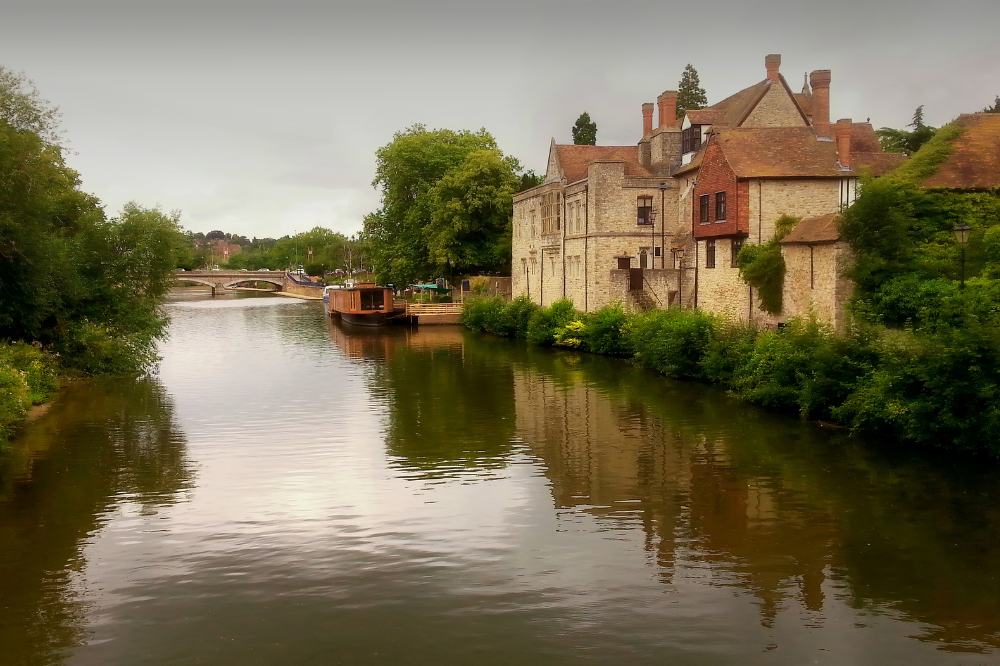
Rochester, in the Medway towns, has a Norman castle, a cathedral and a historic high street with strong Dickens connections. It has high-speed and mainline services into London. Maidstone, the county town, offers a wide range of shops, services and housing, plus good road links via the M20 and M2. Both suit you if you want town amenities at prices often below those of west Kent.
11. Is Ashford a good choice for commuters?
Ashford has grown quickly, partly thanks to Ashford International station, where high-speed trains can reach London St Pancras in under 40 minutes on the fastest services. It has a designer outlet, plenty of new-build housing and easy access to the M20. If fast commuting and modern homes matter to you, Ashford is worth a close look.
Which Kent villages are worth exploring?
If you prefer village life, look at Cranbrook and Tenterden in the Weald, both with attractive high streets and surrounding countryside. Westerham, near the Surrey border, is close to Chartwell, once the home of Winston Churchill. Wye, near Ashford, sits at the foot of the Kent Downs and has its own railway station.
How easy is it to commute from Kent?
Kent has some of the fastest rail links to London in the country. Southeastern high-speed services run from St Pancras to stations including Ebbsfleet, Ashford, Canterbury West, Folkestone, Dover, Faversham, Margate and Ramsgate. Mainline services from towns such as Sevenoaks, Tonbridge and Tunbridge Wells run into London Bridge, Charing Cross and Cannon Street. Journey times vary by service and time of day, so check current timetables and season ticket prices for the route you will use.
By road, the M20, M2, M25 and M26 connect much of the county, although some routes can be busy at peak times, and traffic near the Channel ports can be heavy during busy travel periods.
What should you know about schools in Kent?

Kent operates a selective system, so many children sit the Kent Test, an assessment used to decide grammar school eligibility, at the start of Year 6. Registration usually opens in Year 5, so if you have children approaching this age, check the dates with Kent County Council early. Non-selective secondary schools and academies are available across the county, and primary admissions follow the usual council process. Medway has its own separate test and admissions arrangements.
How much does it cost to live in Kent?
House prices in Kent vary widely. West Kent towns such as Sevenoaks and Tunbridge Wells are generally among the most expensive, while parts of east Kent and the coast, including Thanet, Folkestone and Dover, typically offer more space for the money. Prices change regularly, so look at recent sold prices for each postcode and speak to local agents for an accurate view.
How do you plan your move to Kent?
- Visit at different times. Try the commute at rush hour and see coastal towns out of season.
- Check school dates. If you have children, factor Kent Test registration and admissions deadlines into your moving timeline.
- Plan access. Historic towns and villages often have narrow streets and limited parking. A home survey helps your removal team plan the right vehicle.
- Ask about parking. You may need permission from the local council to reserve space for a removal vehicle.
- Book early. Spring and summer are busy times for moving, so secure your date as soon as you can.
Frequently asked questions
- What is the best town to live in Kent?
Sevenoaks, Tunbridge Wells and Canterbury are often named among the best, but the right choice depends on your budget, commute and lifestyle.
- Where is the best place to live in Kent for families?
Sevenoaks, Tonbridge and Tunbridge Wells are popular with families thanks to their schools and green space, while Faversham and Deal suit those wanting a smaller town feel.
- Which parts of Kent are more affordable?
East Kent and the coast, including Thanet, Folkestone and Dover, often offer better value than west Kent, although prices vary by area and property type.
- Is Kent good for commuting to London?
Yes. High-speed services from towns such as Ashford, Canterbury and Folkestone, and mainline trains from Sevenoaks and Tonbridge, make Kent a popular commuter county.
- Does Kent still have grammar schools?
Yes. Kent has a selective system, and entry to grammar schools is usually based on the Kent Test taken in Year 6.
Plan your move to Kent with confidence
From the commuter towns of west Kent to the creative coast of Folkestone and Margate, Kent offers a home to suit almost every lifestyle. When you have chosen your town, Pickfords can help you plan every part of your move, from packing to arrival. Get a quote or book a free home survey with Pickfords to get started.