Do you need climate-controlled storage? How Pickfords units keep your belongings safe
If you are putting belongings into self storage, you may have come across the term climate controlled storage and wondered whether you need it. The answer depends on what you are storing, how long for, and how well you prepare your items before they go into a unit. This guide explains what climate control means, which items are most sensitive to temperature and damp, and the practical steps you can take to protect your belongings in a standard self storage unit.
What is climate controlled storage?
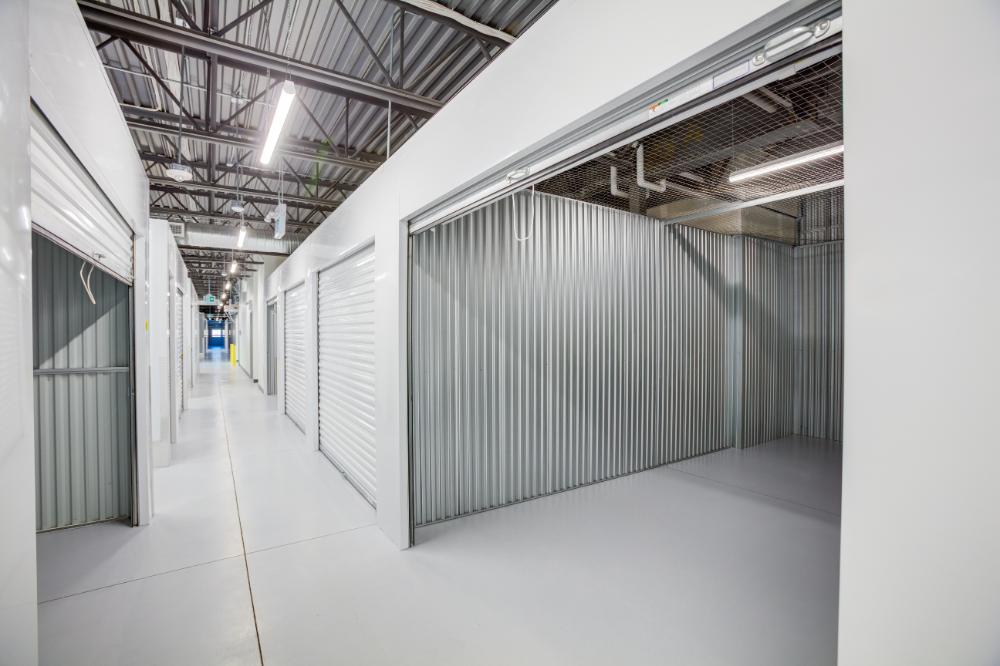
Climate controlled storage describes units where temperature, and sometimes humidity, are managed artificially within a set range throughout the year. Facilities that offer it typically use heating, cooling or dehumidifying systems to keep conditions stable.
People usually look for climate control because they are worried about:
- Damp and humidity: moisture in the air can encourage mould, mildew, warping and rust.
- Temperature swings: repeated changes between warm and cold can cause materials to expand and contract.
- Condensation: when warm, moist air meets a cold surface, water droplets can form.
Pickfords self storage units are standard units and are not climate controlled. For most household items, careful preparation and sensible packing do much of the work of protecting your belongings, and the UK's temperate climate avoids the extremes found in some other countries.
Do you actually need climate controlled storage?
For most household moves and short to medium-term storage, many people find a standard unit works well, provided items are clean, dry and packed properly. Furniture, boxed household goods, clothing, kitchenware, garden equipment and most electrical items generally store well with good preparation.
You may want to take extra care, or seek specialist advice, if you plan to store:
- Fine art, antiques or items of significant value.
- Musical instruments such as pianos, violins or guitars.
- Large collections of vinyl records, photographs or rare books.
- Delicate fabrics, such as wedding dresses or heirloom textiles.
- Important paper documents that you need to keep for many years.
For these items, preparation becomes even more important. The sections below explain how to protect them.
How do you prevent damp in a storage unit?
Damp is the most common concern for anyone using self storage in the UK. These steps make a real difference.
1. Make sure everything is completely dry
This is the single most important rule. Never store anything that is even slightly damp. Wash and fully dry fabrics, let fridges and freezers defrost and dry out for at least 24 hours with the doors open, and wipe down garden furniture and tools before they go in.
2. Use moisture absorbers
Place moisture absorbers or silica gel sachets inside boxes, drawers and wardrobes, and around the unit. Check and replace them each time you visit.
3. Raise items off the floor
Use pallets or wooden boards to lift boxes and furniture slightly off the ground. This allows air to circulate underneath and protects belongings if there is ever any moisture at floor level.
4. Leave space for air to circulate
Leave a small gap between your belongings and the walls of the unit, and avoid packing items so tightly that air cannot move between them. Create a central walkway so you can reach everything without unpacking the whole unit.
5. Choose breathable coverings
Cover furniture with cotton dust sheets or breathable furniture covers rather than plastic sheeting. Plastic can trap moisture against surfaces, which can lead to mould or marking.
How should you prepare different items for storage?
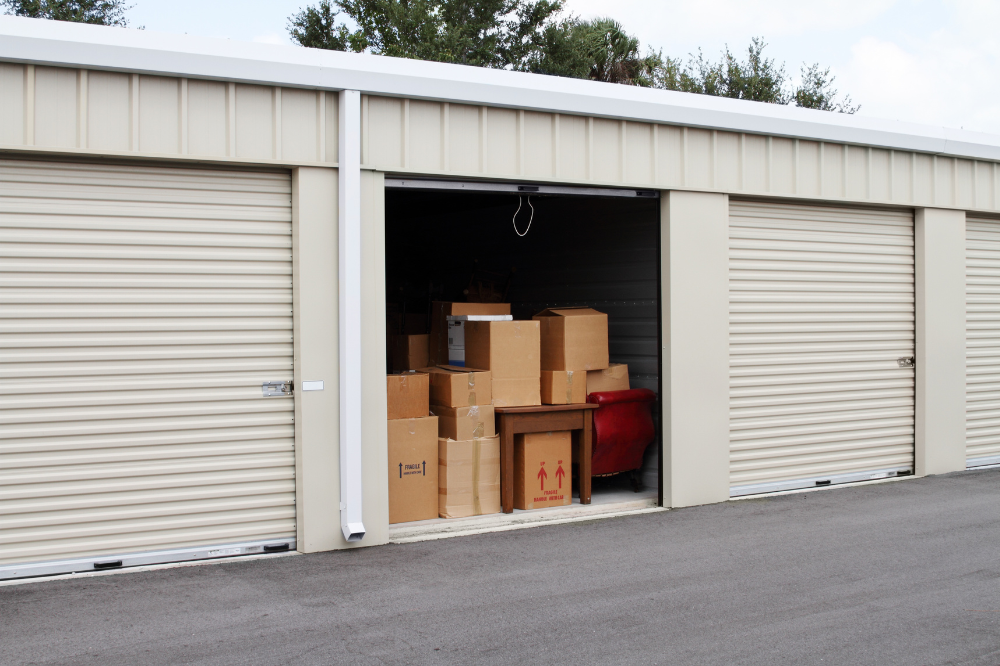
Furniture
Clean and dry wooden furniture, and consider a coat of furniture polish or wax to help protect the surface. Dismantle larger pieces where possible, wrap legs and corners, and store sofas and mattresses on their ends or flat on a raised surface, depending on the manufacturer's advice. Avoid stacking heavy items on upholstered furniture.
Clothes and textiles
Wash everything before storing. Use vacuum bags for bedding and out-of-season clothing, or wardrobe boxes for items you want to hang. Natural fibres benefit from breathable cotton bags, and cedar blocks or lavender sachets can help deter moths.
Electrical items
Remove batteries, which can leak over time. Pack electrical items in their original boxes if you have them, or wrap them in bubble wrap and place them in sturdy cartons. Store them off the floor.
Wedding dresses and delicate fabrics
Have a wedding dress professionally cleaned first, then store it flat in an acid-free box with acid-free tissue paper between the folds. Avoid plastic garment bags for long-term storage. [Link: How to store a wedding dress]
Vinyl records
Store records upright, never flat or stacked, in their inner sleeves and outer sleeves, inside sturdy record boxes. Keep them away from the walls of the unit and raise them off the floor. [Link: How to store vinyl records]
Artwork
Wrap framed pictures in acid-free paper or glassine, protect corners with card corner guards and store paintings upright rather than flat. Never lean heavy items against canvas. For valuable pieces, consider professional fine art packing. [Link: How to store artwork safely]
Documents and paperwork
Use sturdy archive boxes with lids, keep paperwork in folders or acid-free envelopes, and label each box clearly with its contents and date. Scan important documents so you have a digital copy. Read more on: How to store documents in self storage.
Books and photographs
Pack books flat or spine-down in small boxes, so they are not too heavy to lift. Store photographs in acid-free albums or archival boxes rather than loose in envelopes.
How do Pickfords units keep your belongings safe?
Alongside good preparation, where you store matters. Choose a secure facility to keep your belongings safe at all times. Pickfords self storage facilities have onsite security, and many sites offer 24/7 access, so you can visit your unit when it suits you.
Units come in a range of sizes, from small spaces for a few boxes to larger units for the contents of a family home, with prices from £18. At our Horsham, Edinburgh and Manchester sites, free collection is available for drive-up and container storage, which saves you hiring a van and loading it yourself.
How do you choose the right unit size?
A unit that is too small makes good airflow difficult. Allow enough room to leave gaps between items and a walkway through the middle. If you are unsure, our team can help you work out the right size based on what you plan to store. Read our blog: Self storage size guide
What should you avoid storing?
Some items should not go into self storage at all, whatever the unit type:
- Perishable food, which can attract pests.
- Flammable or hazardous materials, such as petrol, gas canisters, paint thinners and chemicals.
- Plants and living things.
- Anything damp or wet.
Check the full list of prohibited items when you book your unit.
How often should you visit your unit?
If you are storing items for several months or longer, visit every so often to check everything is in good condition. Replace moisture absorbers, check covers are still in place and look for any signs of damp or pests. Regular checks help you spot any issues early.
Frequently asked questions
- What is climate controlled storage?
It is storage where temperature, and sometimes humidity, are artificially kept within a set range all year. Pickfords units are standard self storage units and are not climate controlled.
- Do I need climate controlled storage for furniture?
For most household furniture, a standard unit works well if items are clean, dry, raised off the floor and covered with breathable sheets.
- How can I stop damp in my storage unit?
Only store items that are completely dry, use moisture absorbers, raise belongings off the floor, leave gaps for air to circulate and use breathable covers instead of plastic.
- Can I store vinyl records and artwork in self storage?
Yes, with careful packing. Store records upright in sturdy boxes and wrap artwork in acid-free materials, storing it upright and off the floor.
- How much does a Pickfords self storage unit cost?
Prices start from £18, depending on unit size, location and how long you need it.
- Can Pickfords collect my belongings?
Free collection is available for drive-up and container storage at our Horsham, Edinburgh and Manchester sites. Contact your local site for details.
Find the right storage for your belongings
With good preparation, a standard self storage unit can keep most household belongings in good condition for as long as you need. If you would like help choosing a unit size or have questions about storing particular items, the Pickfords self storage team is happy to talk it through. Find your nearest site and get a quote online.