Downsizing your home in the UK
Downsizing means moving to a smaller or more manageable home, usually to release equity, reduce running costs or suit a change in lifestyle. Done with a clear plan, it can free up money and time. This guide covers when to downsize, how to make downsizing pay off, what it costs in different UK cities, how to declutter room by room and what to do with furniture that will not fit.
When is the right time to downsize?

There is no fixed age or stage for downsizing. Most people start thinking about it when their home no longer matches how they live. Common triggers include:
- Children leaving home and spare rooms going unused
- Retirement, or a plan to work fewer hours
- A large garden or several floors becoming harder to maintain
- Rising energy bills and council tax on a bigger property
- Wanting to live closer to family, transport links or local services
- A change in health or mobility
It is worth starting early, ideally 12 to 18 months before you want to move. This gives you time to research areas, understand the numbers and sort your belongings without pressure.
Making downsizing pay off: the financial side
The main reason many homeowners downsize is to improve their finances. To make downsizing pay off, compare what you will gain with what the move will cost.
Releasing equity
If your current home is worth more than your next one, the difference (minus any mortgage and moving costs) is equity you can release. People use it to clear debts, top up retirement savings, help family members or build a financial buffer. If you plan to gift money to family, speak to a financial adviser about the tax implications first.
Lower running costs
A smaller home usually means lower bills. Typical savings come from:
- Energy, as there are fewer rooms to heat
- Council tax, if your new home is in a lower band (check bands on the GOV.UK council tax band checker, or the Scottish Assessors website in Scotland)
- Buildings and contents insurance
- Maintenance, repairs and gardening
Add up your current annual costs and estimate the same for the type of property you are considering. Over five or ten years, the difference can be significant.
Costs to offset
Moving has its own costs, so build these into your sums:
- Property tax on your purchase (see the city section below)
- Estate agent fees on your sale
- Conveyancing and survey fees
- Removal costs
- Any early repayment charge if you are ending a mortgage deal early
According to Pickfords move data 2026, a local removal from a 3-bedroom house typically costs between £800 and £1,400, and from a 4-bedroom house between £1,000 and £1,800. Full-service moves including packing range from £1,450 to £2,800 for a 3-bedroom home and £2,000 to £3,800 for a 4-bedroom home. You can find a full breakdown in our guide to removal costs in the UK.
Once you subtract these one-off costs from the equity released and add the yearly savings, you will have a clear picture of whether the move makes financial sense.
Cost of downsizing in different UK cities
House prices and property taxes vary a lot across the UK, so the same move can release very different sums depending on where you live. The average prices below come from the HM Land Registry UK House Price Index for July 2026 (provisional figures, published September 2026). For comparison, the UK average was £272,611.
| City | Average price (UK HPI, July 2026) | Property tax on your purchase |
|---|
| London | £550,037 | Stamp Duty Land Tax (HMRC) |
| Bristol | £352,262 | Stamp Duty Land Tax (HMRC) |
| Edinburgh | £303,965 | Land and Buildings Transaction Tax (Revenue Scotland) |
| Cardiff | £272,252 | Land Transaction Tax (Welsh Revenue Authority) |
| Manchester | £252,309 | Stamp Duty Land Tax (HMRC) |
| Leeds | £247,695 | Stamp Duty Land Tax (HMRC) |
| Birmingham | £234,257 | Stamp Duty Land Tax (HMRC) |
| Glasgow | £193,675 | Land and Buildings Transaction Tax (Revenue Scotland) |
What a typical downsizing move looks like
- London: often a move from a Victorian terrace in an area such as Wandsworth or Ealing to a flat with a lift, or out to a smaller house in the commuter belt. London attracts the highest removal costs in the UK because of parking suspensions, ULEZ and access, so allow time for a home survey.
- Bristol: many downsizers leave a Clifton or Bishopston townhouse for a flat or a smaller home on the edge of the city. Steep streets and narrow terraces can mean a smaller vehicle or a longer carry.
- Edinburgh: a common move is from a large Morningside or Barnton home to a modern flat or a smaller tenement flat. Sales in Scotland usually start with a Home Report, and tenement stairs should be mentioned at your survey.
- Cardiff: families in areas such as Llandaff or Roath often move to a flat in Cardiff Bay or a smaller house in the Vale of Glamorgan.
- Manchester: a semi-detached house in Didsbury or Chorlton to an apartment or bungalow is a familiar pattern, with many people also moving out towards Cheshire.
- Leeds: downsizers often move from a Roundhay or Headingley family home to a smaller house or flat nearby.
- Birmingham: a detached home in Sutton Coldfield or Edgbaston to a bungalow or retirement apartment is common.
- Glasgow: a West End sandstone tenement or a large house in the southside to a modern flat or a smaller home in East Renfrewshire.
For the move itself, Pickfords move data 2026 puts a local move from a 4-bedroom house at £1,000 to £1,800, and a long-distance move of 100 miles or more at £1,500 to £3,200.
Stamp duty, LBTT and LTT
The tax you pay depends on where your new home is, and it applies even when you buy a cheaper property. There is currently no general downsizing exemption in any part of the UK.
- England and Northern Ireland: Stamp Duty Land Tax. According to GOV.UK (checked October 2026), the standard rates are 0% up to £125,000, 2% from £125,001 to £250,000 and 5% from £250,001 to £925,000, with higher rates above that.
- Scotland: Land and Buildings Transaction Tax, collected by Revenue Scotland, with its own bands.
- Wales: Land Transaction Tax, collected by the Welsh Revenue Authority, with its own bands.
If you buy your smaller home before selling your current one, higher rates for additional properties may apply in all three nations, although a refund may be possible once your old home is sold within the time limit. Check the rules with your conveyancer early.
Decluttering room by room
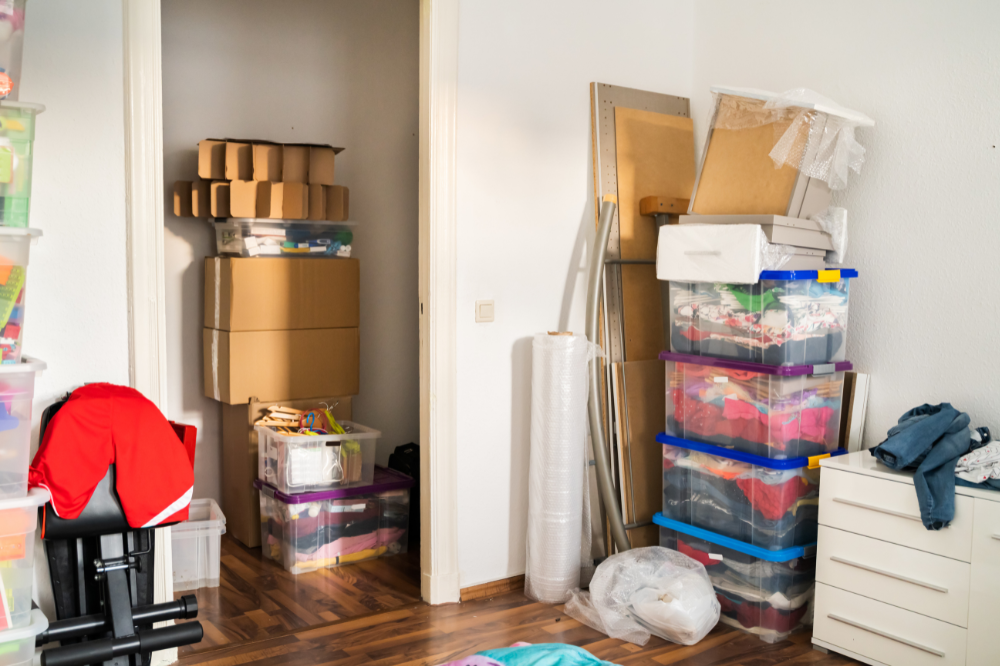
Downsizing almost always means taking fewer belongings with you. Start with the rooms you use least, as decisions there tend to be easier.
Loft, garage and shed
These spaces often hold the most forgotten items. Sort everything into keep, sell, donate, recycle and dispose. Old paint, chemicals and broken garden equipment can usually go to your local household waste recycling centre.
Spare bedrooms
If spare rooms have become storage for other family members, give them a deadline to collect their belongings. Keep one set of guest bedding if your new home has a spare room.
Kitchen
Count duplicates. Most households have more pans, mugs and utensils than they use. Keep everyday items and the specialist tools you use regularly.
Living and dining rooms
Measure your new rooms before deciding on furniture. A dining table for eight may not fit, but an extendable table for four could work.
Wardrobes
Keep what you have worn in the last year. Seasonal clothes can be stored in vacuum bags or under-bed boxes in your new home.
Paperwork and keepsakes
Scan important documents where possible. For photographs and keepsakes, choose a set number of boxes and keep the items that matter most.
What to do with furniture that will not fit
Large furniture is often the hardest part of downsizing. Your options include:
- Measuring your new home and creating a floor plan, so you know exactly what fits
- Offering pieces to family members first
- Selling through local marketplaces or auction houses for antiques
- Donating to furniture charities, many of which offer free collection
- Arranging responsible disposal through your council's bulky waste service
- Storing pieces you are not ready to part with
Our furniture storage options are designed for exactly this situation.
Self storage as a bridge
Self storage gives you time. It can help if your sale completes before your purchase, if you want to declutter in stages or if you are not yet sure which pieces will suit your new home.
Pickfords self storage starts from £18, with 24/7 access at selected facilities. For items you may need to reach quickly, container storage and traditional self storage are the best fit. For belongings you will keep for longer, drive-up self storage is designed for long-term storage. Choose a secure facility to keep your belongings safe at all times.
If you live near Horsham, Edinburgh or Manchester, we offer free collection for drive-up and container storage, which makes it easier to clear rooms gradually before you move. See our self storage in Edinburgh, Manchester and Horsham pages for details.
Managing the emotional side
Leaving a long-term home can bring mixed feelings, and that is normal. A few practical steps can help:
- Involve family early so decisions are shared
- Take photos of rooms and gardens before you go
- Focus on what the move will give you, such as more free time or a better location
- Keep a small number of meaningful items visible in your new home from day one
Planning ahead also reduces pressure. Our tips to prepare for your move and guide on who to inform when moving house are useful next steps.
Frequently asked questions
- Will I regret downsizing?
Some people miss the space at first, especially for visiting family. Before you commit, list how you use each room today and check the new home has space for the things that matter, such as a guest bed or a garden. Storing a few pieces for a while also lets you change your mind.
- Is downsizing worth it if the price difference is small?
Once you take off stamp duty, agent and legal fees and removal costs, a small price gap may release little equity. The case can still work if your bills and upkeep fall noticeably. Add up both sides over five years before deciding.
- Should we downsize with children still at home?
Families do downsize to reduce costs or work fewer hours, but check that bedrooms, storage and school places suit everyone. A smaller home near good transport and schools can work well. Decluttering early makes the space feel larger on moving day.
- Do I still pay stamp duty if I am downsizing?
Yes. Stamp Duty Land Tax in England and Northern Ireland, LBTT in Scotland and LTT in Wales apply to the home you buy, even if it is cheaper than your current one. Buying a lower-priced home usually means a smaller bill.
- How do I decide what furniture to keep?
Measure your new rooms and draw a simple floor plan. Keep pieces you use every day and that fit the new space, then decide on the rest. If you are unsure, storing items for a few months lets you decide once you have settled in.
- Should I sell before I buy when downsizing?
Selling first puts you in a stronger position as a buyer and gives you certainty on your budget. If you sell before finding your next home, short-term storage and rented accommodation can bridge the gap.
- How long does it take to downsize a house?
Allow several months for sorting belongings, especially if you have lived in your home for many years. The move itself usually takes one to two days for a larger property. Our guide on how long moving house takes covers timings in more detail.
Whether you are moving across town or across the country, our expert team can help you plan every stage of your downsizing move. Request a free quote for your upcoming move, or explore our self storage options from £18.