How to pack your house for a move in the UK
The easiest way to pack your house for a move is to start early, work room by room from the least used rooms to the most used and label every box clearly. Begin about four weeks before moving day, use sturdy boxes in a range of sizes and keep an essentials box aside for your first night. This guide covers the materials you need, room-by-room advice and our best moving house packing tips for UK homes.
Packing materials you will need
Having the right materials before you start saves time and protects your belongings. You will need:
- Small, medium and large double-walled boxes
- Wardrobe boxes for hanging clothes
- Strong parcel tape and a tape dispenser
- Packing paper and bubble wrap
- Mattress covers and sofa covers
- Marker pens and labels
- Resealable bags for screws and fixings
You can order boxes and protective materials from our Box Shop or browse our full range of storage and packing materials, delivered ahead of your move.
As a rough guide, a one-bedroom flat may need 20 to 30 boxes and a three-bedroom house 60 or more. Order a few extra, as kitchens and bookshelves take more than most people expect.
What to pack first and last
Packing in the right order keeps your home liveable until moving day.
Pack first:
- Loft, garage and shed contents
- Spare room and guest bedding
- Books, ornaments and pictures
- Out-of-season clothes and shoes
- Decorative items and spare kitchenware
Pack last:
- Everyday crockery and cooking items
- Toiletries and medication
- Bedding you are using
- Phone chargers and laptops
- Cleaning products for the final clean
How to pack room by room
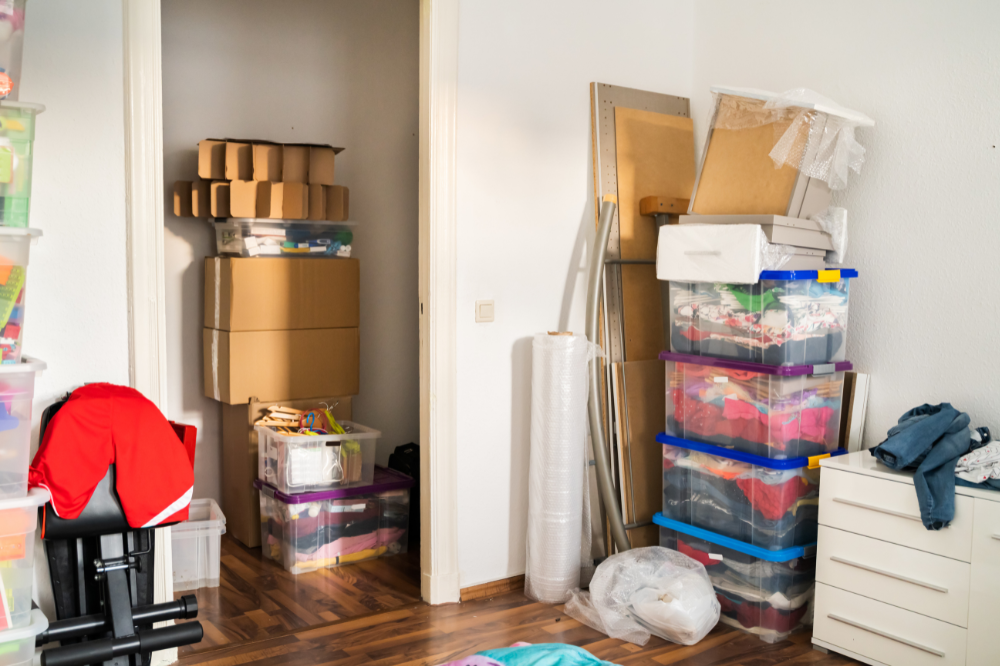
Kitchen
The kitchen usually takes longest, so start on cupboards you use least. Wrap plates individually and stand them on their edge in small boxes. Wrap glasses in paper and fill gaps so nothing can shift. Seal opened food and pack liquids in a sealed bag. Keep a kettle, mugs and a few utensils out until the last day.
Living room
Remove pictures and mirrors from walls, wrap them in bubble wrap and mark them fragile. Take photos of the back of your TV and other electronics before unplugging. Pack books flat in small boxes so they are not too heavy to lift.
Bedrooms
Use wardrobe boxes for hanging clothes so they arrive ready to hang. Fold other clothes into suitcases and large boxes. Pack bedding and pillows in large boxes or vacuum bags. Put a mattress cover on every mattress.
Bathroom
Throw away almost-empty bottles and tape the lids of the rest. Put liquids in sealed bags inside a small box. Keep the toiletries you need for the first night in your essentials box.
Garage, shed and garden
Empty fuel from lawnmowers and drain hoses. Wrap sharp tools and bundle long-handled tools together. Check with your removal company which items they cannot carry, such as flammable liquids and gas bottles.
Children's rooms
Let children help pack a box of favourite toys and books. Keep comfort items, a night light and a change of clothes in their overnight bag so their first night feels familiar.
How to label moving boxes
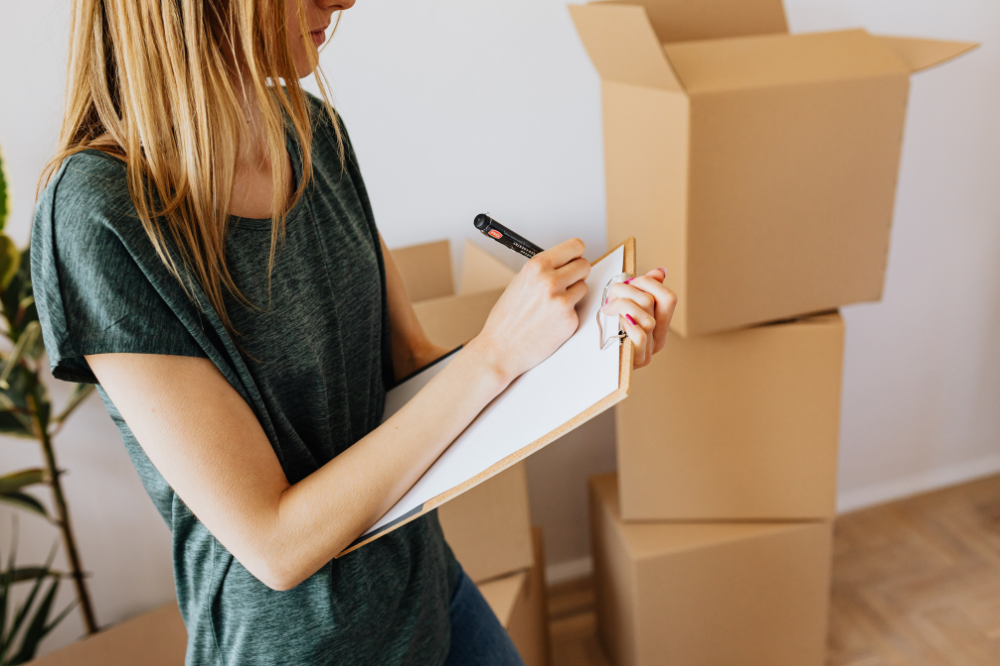
Clear labels make unloading and unpacking far quicker.
- Write the destination room on the top and at least one side
- Add a short description of contents
- Mark boxes as fragile and show which way up they go
- Number each box and keep a matching list
- Use a different coloured label or tape for each room if you like
Tape screws and fixings in labelled bags to the furniture they belong to, or keep them together in one box marked clearly.
Your essentials box
Pack one box with everything you need for the first night and morning. Keep it in your car rather than the van.
- Toiletries and toilet roll
- Medication
- Phone chargers
- A change of clothes for everyone
- Bedding and towels
- Kettle, mugs, tea, coffee and snacks
- Scissors, a torch and basic tools
- Cleaning cloths and washing-up liquid
Moving house packing tips UK households rely on
- Do not overfill boxes. Keep each box light enough to lift comfortably.
- Fill empty spaces with paper or towels so items do not move.
- Pack heavy items at the bottom and lighter items on top.
- Keep important documents, jewellery and keys with you.
- Defrost the freezer at least 24 hours before the move.
- Declutter as you pack, as this reduces volume and cost.
Packing yourself or using a packing service
Packing yourself can reduce your removal quote, and many households pack non-essential items over several weeks. A professional packing service saves time and is especially useful for fragile items such as glassware and artwork.
If you choose to pack yourself, it is worth checking how Goods in Transit cover applies. Items you pack yourself may not be covered in the same way as items packed by a trained removal team, as the contents have not been packed by a professional. Ask your removal company to explain what is and is not covered before you decide. Our removal costs in the UK guide explains packing options and prices in more detail.
If your new home is not ready, or you are downsizing, self storage can hold your packed boxes. Pickfords self storage starts from £18. For more planning help, see our moving house checklist UK 2027, our moving house tips and our complete guide to moving house.
Frequently asked questions
- When should I start packing to move house?
Start packing items you rarely use around four weeks before your move. Many buyers begin in earnest once contracts are exchanged and a completion date is fixed.
- Can I leave clothes in drawers when moving?
Light, soft items can sometimes stay in drawers, but check with your removal company first. Heavy or fragile items should always be packed separately.
- How do I pack plates and glasses safely?
Wrap each item individually in packing paper, stand plates on their edge and fill all gaps. Use small, strong boxes and mark them fragile.
- Should I take furniture apart before moving?
Large beds, wardrobes and some tables are easier to move when dismantled. Many removal companies offer dismantling and reassembly, so ask when you book.
- How do I pack a TV for moving?
Use the original box if you still have it. If not, wrap the screen in a soft blanket or bubble wrap and transport it upright.
- What should I not pack in the removal van?
Keep documents, keys, valuables, medication and your essentials box with you. Flammable liquids and gas bottles should not be packed.
Get help with your packing
With over 400 years of experience, our expert team can pack your whole home or just your fragile items. Order your packing materials from our Box Shop or request a free quote for your upcoming move.