How to store books safely at home or in self storage
Whether you have a few shelves of paperbacks or a collection built up over decades, your books deserve good care. Books are surprisingly vulnerable: damp, light, heat, pests and poor packing can all cause warping, mould, faded spines and broken bindings. If you are wondering how to store books so they stay in good condition, a few simple habits make a big difference.
This guide explains how to prepare, box and store your books, both at home and in a self storage unit. It is especially useful if you are moving, decluttering or making space at home in 2027.
What damages books in storage?
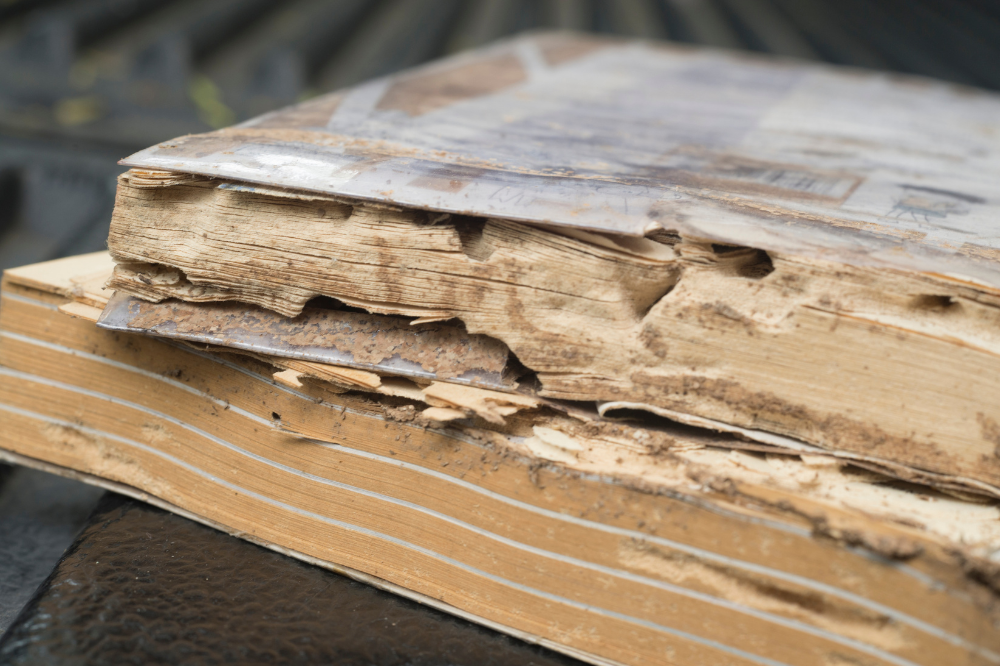
Understanding the risks helps you avoid them. The main causes of damage are:
- Damp and humidity: moisture can cause mould, a musty smell, warped covers and brown spots on pages, often called foxing.
- Heat: high temperatures can dry out paper and glue, making pages brittle and bindings weak.
- Light: sunlight fades spines and covers and can yellow paper over time.
- Pests: silverfish, booklice and some beetles feed on paper, glue and the starches used in bindings.
- Poor packing: books stored at awkward angles or under heavy weight can develop bent spines and damaged corners.
How to store books: Preparing your collection
1. Should you sort your books first?
Before packing, go through your collection and decide what to keep. Donating or selling books you no longer want reduces the number of boxes you need and makes it easier to find favourites later. Group the books you are keeping by size, type or subject, so you can pack similar sizes together.
2. How do you clean books before storing them?
Dust each book with a soft, dry cloth or a clean, soft brush, working from the spine outwards along the top edge. Dust can hold moisture and attract pests, so a quick clean is worth the effort. Never use water or cleaning sprays on books.
3. How do you check books for damp or mould?
Look for musty smells, fuzzy patches, spots or pages that feel cool or soft. Do not pack any book that seems damp, as mould can spread to the rest of the box. Let slightly damp books dry naturally in a well ventilated room, standing upright with the pages fanned slightly. A book with active mould should be kept apart from the rest of your collection, and valuable items are best looked at by a book conservator.
How should you box books?
Books are heavy, so packing them well protects both the books and your back.
Which boxes are best for books?
Use small to medium, sturdy cardboard boxes. Large boxes full of books quickly become too heavy to lift safely and are more likely to split. Choose new or clean, dry boxes, as old boxes may carry damp or pests. For rare or valuable books, acid-free archival boxes offer extra protection.
Plastic crates can be useful for moving, but sealed plastic tubs can trap moisture if the books or air inside are even slightly damp. If you use them, make sure everything is completely dry and consider adding silica gel sachets.
How do you pack books in a box?
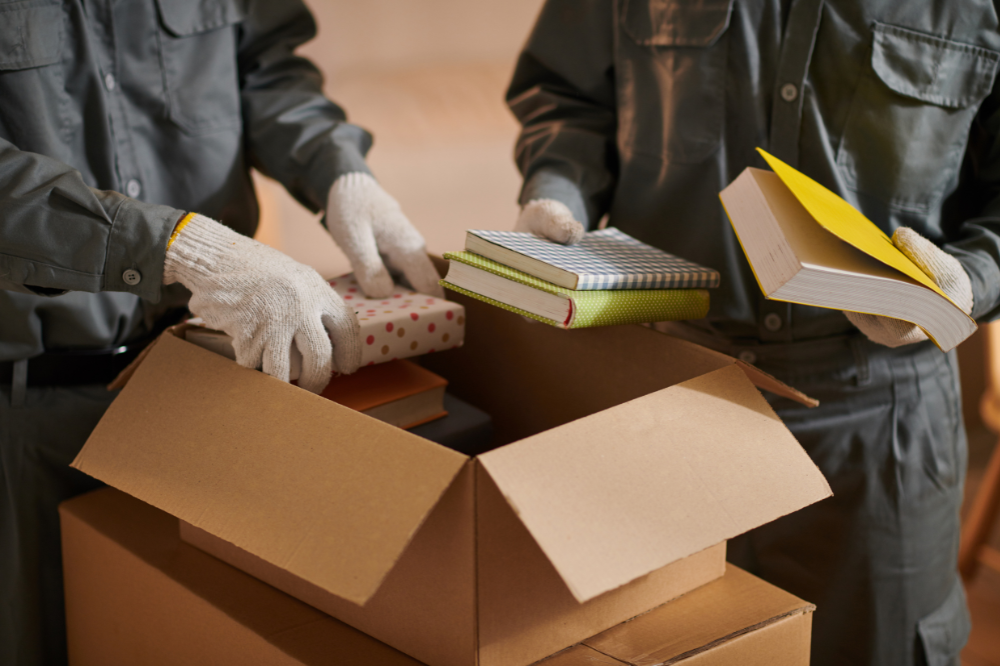
- Line the bottom of the box with clean packing paper.
- Lay heavier hardbacks flat at the bottom, or stand books upright as they would sit on a shelf.
- Avoid placing books with their spines facing up or resting on their front edges, as this strains the binding.
- Pack books of a similar size together so they support each other.
- Fill gaps with scrunched packing paper so books cannot slide around.
- Add a final layer of paper on top before sealing the box.
Avoid using newspaper directly against books, as the ink can transfer. Plain packing paper or acid-free tissue is safer.
How do you protect valuable or old books?
Wrap rare, antique or signed books individually in acid-free tissue, then place them in an acid-free box. Keep any dust jackets on, or store them in clear archival jacket covers. Avoid rubber bands, sticky notes and paper clips, which can damage pages over time.
Why should you label each box?
Label each box with its contents, such as "Cookbooks" or "Children's books", and the room it belongs to. Mark boxes as heavy so they are lifted carefully and placed at the bottom of any stack.
How can you prevent damp when storing books?
Damp is the biggest risk for stored books, so it is worth taking a few precautions:
- Only pack books that are completely dry.
- Keep boxes off the floor by using shelving or pallets.
- Leave a small gap between boxes and walls so air can circulate.
- Add silica gel sachets to boxes, and replace or recharge them when they become saturated.
- Avoid damp cellars, garages and lofts, where temperature and humidity can change a lot through the year.
- Check stored books every few months for any signs of mould or musty smells.
How do you store books at home?
If you are keeping books on shelves at home, a few habits help them last:
- Stand books upright and close enough together to support each other, without packing them so tightly that you damage them when pulling one out.
- Use bookends to stop rows leaning.
- Lay very large or heavy books flat to protect their spines.
- Keep shelves away from radiators, fireplaces, windows with direct sun and cold external walls.
- Dust regularly to keep pests away.
For books in boxes at home, choose a dry room in the main part of the house, such as a spare bedroom or the bottom of a wardrobe, and raise the boxes slightly off the floor.
How do you store books in a self storage unit?
Self storage is a good solution if you are moving, downsizing, renovating or simply running out of shelf space. With a little planning, your books can stay in good condition until you need them again.
Is shelving a good idea in a storage unit?
Yes. Freestanding shelving makes it easier to keep boxes off the floor, improves airflow and lets you reach specific boxes without moving everything. Metal or sturdy wooden shelving designed for heavy loads works best. Check the weight limit for each shelf, as boxes of books add up quickly.
How should you arrange boxes of books in a unit?
- Place the heaviest boxes of books on the lowest shelves or on pallets at floor level.
- Stack boxes no more than a few high so the bottom ones do not crush.
- Keep lighter items, such as bedding or lampshades, on the upper shelves.
- Leave a narrow walkway so you can reach boxes at the back.
- Keep boxes a little way from the walls to let air move around them.
- Put the books you might want to read soon near the front.
Can you visit your books in storage?
With 24/7 access, you can pop in whenever you want to swap a few titles or check on your collection. Choose a secure facility to keep your belongings safe at all times.
Frequently asked questions
- Is it better to store books flat or upright?
Both work. Stand most books upright as on a shelf, and lay large or heavy books flat. Avoid storing books with spines facing up or resting on their front edges.
- Can you store books in plastic containers?
You can, but only if the books are completely dry. Sealed plastic can trap moisture, so add silica gel sachets and check the books regularly.
- How do you stop books going mouldy in storage?
Pack only dry books, keep boxes off the floor, allow air to circulate, use silica gel and avoid damp spaces such as cellars and garages.
- How heavy should a box of books be?
Keep each box light enough for you to lift comfortably. Small boxes are best, as large boxes of books quickly become too heavy to move safely.
- Should you remove dust jackets before storing books?
Dust jackets help protect covers, so keep them on. For valuable books, clear archival jacket covers add another layer of protection.
Give your books a safe home
Now you know how to store books safely: sort, clean and dry them, pack them in small sturdy boxes, keep them off the floor and protect them from damp. Your collection will be ready to enjoy whenever you unpack it.
If you need extra space for your books and other belongings, Pickfords self storage units start from £18 per week. Free collection is available for drive-up and container storage in Horsham, Edinburgh and Manchester. Get a self storage quote or find your nearest Pickfords store to find the right unit for your collection.