How to store duvets and bedding so they stay fresh
When the weather changes, you probably swap a heavy winter duvet for a lighter one, or the other way round. The duvet you are not using still needs somewhere to go, and if you put it away badly it can come out months later smelling musty, feeling flat or showing marks of damp. Knowing how to store duvets properly saves you money, keeps your bedding comfortable and frees up space in your airing cupboard and wardrobes.
This guide walks you through each step, from washing and drying to choosing the right bag and finding the right spot. You will also find tips for pillows, sheets and spare bedding, plus advice on using self storage if your home is short on space or you are moving in 2027.
Why does it matter how you store duvets?
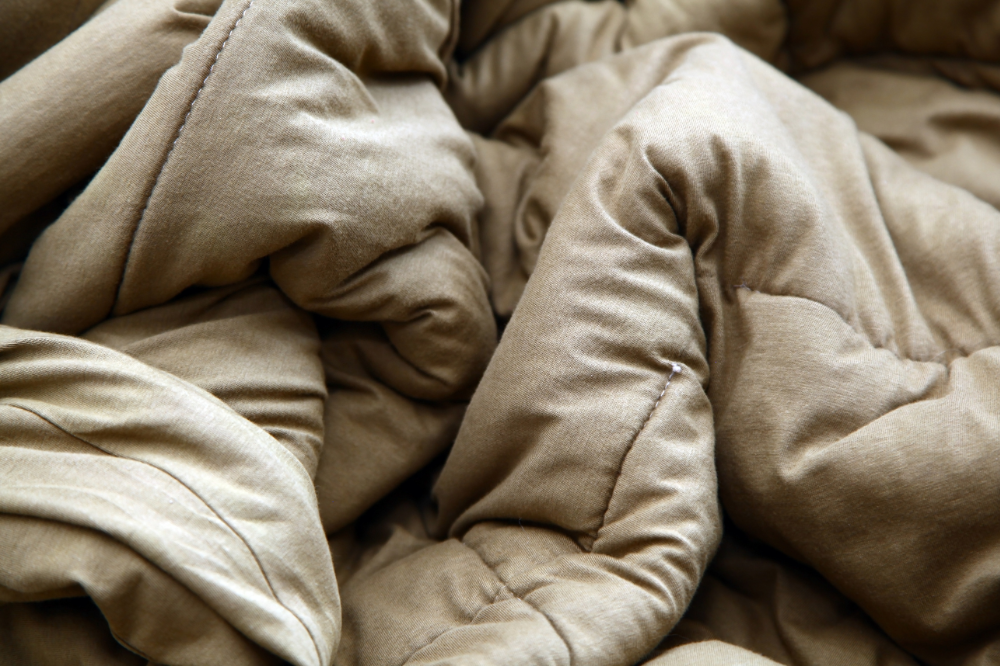
Duvets and pillows are made to trap air, which is what keeps you warm. That same structure also traps moisture, body oils and dust. If you pack a duvet away while it is slightly damp or unwashed, you give mould, mildew and odours the perfect conditions to develop. Moths and dust mites are also drawn to natural fibres such as wool and feather, especially when they have not been cleaned.
Poor storage can also damage the filling. Squashing a feather or down duvet tightly for months can break down the clusters, so it loses some of its loft and warmth. A little care before you put bedding away means it is ready to use the moment the seasons turn again.
When should you swap and store your duvets?
Most people in the UK change their duvet twice a year. Spring, usually around April or May, is a good time to put away a winter duvet and bring out a lighter summer one. Autumn, often September or October, is when you reverse the swap.
Duvet warmth is measured in tog. As a rough guide, lighter summer duvets tend to sit around 4.5 tog, spring and autumn duvets are often around 9 to 10.5 tog, and winter duvets are commonly 10.5 to 13.5 tog. Some people use an all-season duvet made of two layers that clip together, so they only store one layer at a time. Whichever system you use, the steps below apply.
How to store duvets: a step by step guide
Step 1: Check the care label
Before you do anything, read the care label. Some duvets can go in a domestic washing machine, while others, particularly larger feather and down duvets, are too bulky for a standard drum. If your machine is too small, a launderette with large machines or a professional cleaning service is a sensible option. Washing a duvet in a drum that is too small can leave it poorly rinsed and unevenly cleaned.
Step 2: Wash it before you put it away
Always store bedding clean. Even if a duvet looks fine, it will have absorbed sweat and skin oils over the season. Use a gentle, mild detergent and avoid fabric conditioner, which can coat the fibres and reduce their ability to trap air. For feather and down, you may prefer a detergent designed for down. An extra rinse cycle helps remove any detergent left in the filling.
Step 3: Dry it completely
This is the most important step. Any moisture left inside a duvet can lead to mould and a stale smell once it is packed away. Synthetic duvets usually dry fairly quickly, but feather and down can take a long time, sometimes several tumble cycles on a low heat. Adding a couple of clean tennis balls or dryer balls helps break up clumps and spread the filling evenly.
If you dry it outside or on an airer, turn and shake it regularly. Squeeze different parts of the duvet to check for any cool or damp patches before you consider it ready. When in doubt, give it more time.
Step 4: Fold it loosely
Fold the duvet in half lengthways, then fold or roll it loosely. Avoid sharp creases and heavy compression, especially for feather and down. A loose fold helps the filling keep its shape and makes it easier to fluff up again later.
Step 5: Choose a breathable storage bag
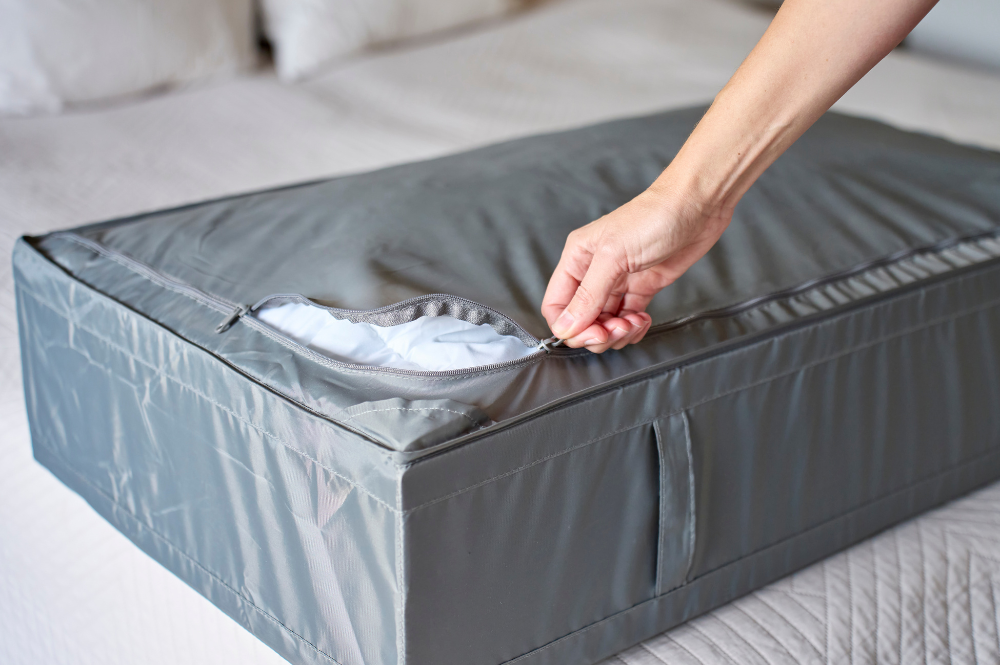
Many duvets come in a plastic bag when you buy them, and it is tempting to reuse it. Plastic is fine for a short time, but over many months it can trap any remaining moisture and lead to a musty smell. A breathable cotton or canvas storage bag is a better choice for longer storage. A clean, old duvet cover or a large pillowcase also works well in a pinch.
Step 6: Add a natural freshener
A cedar block or a small sachet of dried lavender tucked into the bag helps keep bedding smelling pleasant and can help deter moths. Avoid putting essential oils directly on fabric, as they can stain. Silica gel sachets are useful if your storage area tends to feel slightly damp.
Step 7: Label and store
Label each bag with the duvet size and tog, such as "King, 13.5 tog". When the next season arrives, you will know exactly which bag to grab without unpacking everything.
Should you use vacuum bags for duvets?
Vacuum storage bags are popular because they shrink bulky bedding to a fraction of its size. They can work well for synthetic duvets and for short periods, such as while you are moving house. For feather and down, long periods under heavy compression can damage the clusters and reduce warmth, so many manufacturers advise against it.
If you do use vacuum bags, make sure the duvet is completely dry first, and avoid drawing out every last bit of air. When you take the duvet out, give it a good shake and allow a day or so for it to recover its loft before you use it.
Where is the best place to store bedding at home?
The ideal spot is cool, dry, dark and well ventilated. Good options include:
- The top shelf of a wardrobe, where the bag can sit without being squashed
- An airing cupboard, as long as it is not too hot or humid
- Under-bed storage boxes with breathable fabric sides
- A blanket box or ottoman in the bedroom
Try to avoid lofts, garages and cellars unless you are confident they stay dry. These areas can see big swings in temperature and humidity, which encourage condensation. Wherever you choose, keep bedding off the floor and away from external walls that can feel cold and damp in winter.
How should you store pillows, sheets and other bedding?

How do you store pillows?
Wash pillows according to the care label and make sure they are thoroughly dry. Store them in breathable pillow bags or cotton pillowcases, and avoid stacking heavy items on top. If a pillow has gone lumpy or flat even after washing and fluffing, it may be time to replace it rather than store it.
How do you keep sheets and duvet covers fresh?
Fold clean, fully dry sheets and covers neatly. A tidy trick is to fold each set and tuck it inside one of its matching pillowcases, so everything stays together. Store sets on a shelf in a linen cupboard, ideally with a lavender sachet. Rotate your sets regularly so the same ones are not always left at the back for months.
What about wool blankets and throws?
Wool is especially appealing to moths, so clean wool blankets before storing and keep them in closed fabric bags with cedar or lavender. Check them once or twice during the off season for any signs of moth activity.
How do you freshen a duvet after storage?
When it is time to use a stored duvet again, take it out a day or two early. Shake it well to redistribute the filling and, if the weather allows, hang it outside on a dry, breezy day for a few hours. A short tumble on a low or no-heat setting with dryer balls also helps restore loft. If it still smells stale, a gentle wash and a thorough dry will bring it back.
When does self storage make sense for bedding?
If you have guest bedding, children's bedding they have outgrown, or several sets of winter duvets, they can take over a surprising amount of space. Self storage gives you a simple way to keep these items safe without filling every cupboard at home. It is also useful if you are moving, renovating or downsizing and need somewhere to keep soft furnishings for a while.
A few tips for storing bedding in a self storage unit:
- Pack duvets and pillows in breathable bags or sturdy cardboard boxes rather than sealed plastic.
- Place boxes on shelving or pallets so they sit off the floor.
- Keep bedding on higher shelves and heavier items, such as books or furniture, lower down so nothing gets squashed.
- Label each box clearly so you can find the right duvet quickly when the season changes.
With 24/7 access, you can collect your winter duvet whenever the cold weather arrives, without having to plan around opening hours. Choose a secure facility to keep your belongings safe at all times.
Frequently asked questions
- Can you store a duvet in its original plastic bag?
You can for a short time, but plastic can trap moisture over several months. For longer storage, a breathable cotton or canvas bag is a better choice.
- How long can you store a duvet?
A clean, fully dry duvet kept in a dry, breathable bag can usually be stored for a full season or longer without problems. Check it every few months for any smells or signs of damp.
- Is it bad to vacuum pack a feather duvet?
Long periods of heavy compression can damage feather and down clusters and reduce warmth. If you must vacuum pack one, keep it short term and avoid removing all the air.
- How do you stop bedding smelling musty in storage?
Make sure everything is completely clean and dry before packing, use breathable bags, add lavender or cedar, and store bedding in a dry, ventilated place off the floor.
- Where should you not store duvets?
Avoid damp cellars, and garages or lofts that get very hot or cold. Also avoid anywhere bedding would sit directly on the floor or against a cold external wall.
Keep your bedding fresh all year round
Now that you know how to store duvets, the seasonal swap becomes a quick routine: wash, dry thoroughly, fold loosely, bag in something breathable and keep it somewhere cool and dry. Your bedding will come out ready to use, and your home will feel tidier in the meantime.
If you need more room for spare bedding and other household items, Pickfords self storage units start from £18 per week. Free collection is available for drive-up and container storage in Horsham, Edinburgh and Manchester. Get a self storage quote or find your nearest Pickfords store to see which unit size suits you.