How to store vinyl records safely in a self storage unit
Whether you have a few dozen albums or several thousand, your record collection deserves careful handling. If you are moving home, short on space or building a collection faster than your shelves can keep up, knowing how to store vinyl records properly will help you avoid warped discs, scuffed sleeves and damaged covers.
This guide explains how to prepare, pack and arrange your records in a self storage unit so they come out in the same condition they went in.
Why do vinyl records need careful storage?
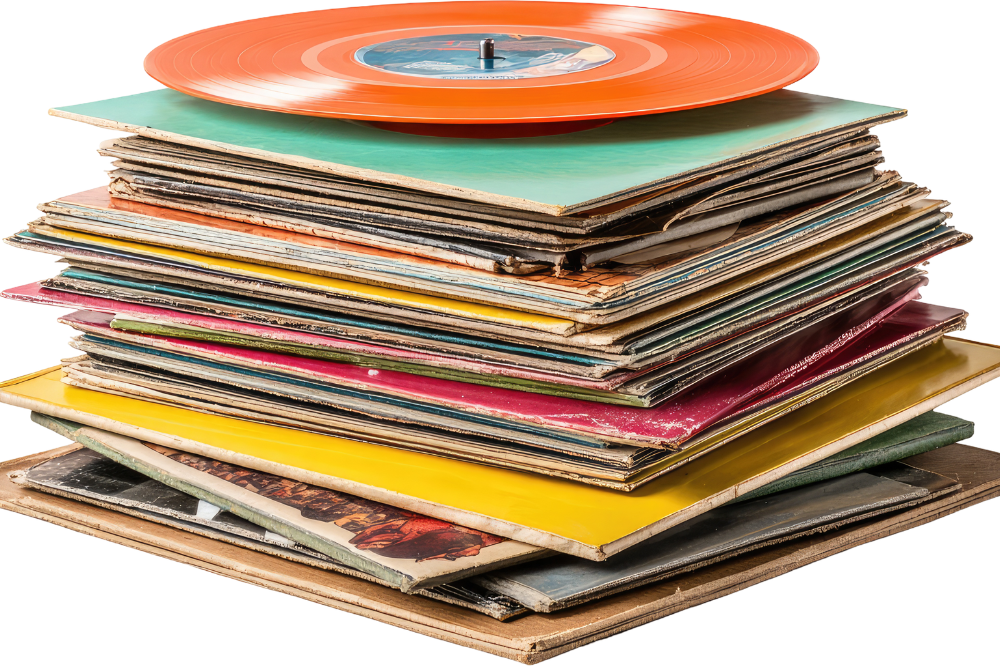
Vinyl is more delicate than it looks. Records can warp if they are exposed to heat or left under uneven pressure, and the grooves pick up dust and scratches easily. Cardboard covers and paper sleeves are vulnerable to damp, which can cause staining, mould and ring wear. The good news is that a few simple habits protect your collection for years.
How should you prepare records before storage?
Should you clean records first?
Yes. Dust and fingerprints left on a record can settle into the grooves over time. Use a carbon fibre brush for light dust, or a record cleaning solution and microfibre cloth for a deeper clean. Make sure each record is completely dry before it goes back in its sleeve.
Which inner sleeves are best?
Many records come in plain paper inner sleeves, which can shed fibres and cause light scuffs. Replacing them with anti-static inner sleeves, often made from polyethylene or a paper and polyethylene mix, gives better protection. Keep any original printed inner sleeves with the record, either inside a protective outer sleeve or stored alongside it, as they can add to a record's value.
Do you need outer sleeves?
Outer sleeves protect the album cover from scuffs, dust and ring wear. Clear polypropylene or polyethylene outer sleeves are widely available in standard 12-inch, 10-inch and 7-inch sizes. Some collectors store the record in its inner sleeve behind the cover, inside the outer sleeve, to reduce pressure on the cover seams.
Should you make an inventory?
For a large collection, a simple list of what is in each box makes life much easier. Number your boxes and note the artists or genres inside. Many collectors also use online cataloguing tools, which can help you find a specific record quickly.
How to store vinyl records in boxes
Why should records always be stored upright?
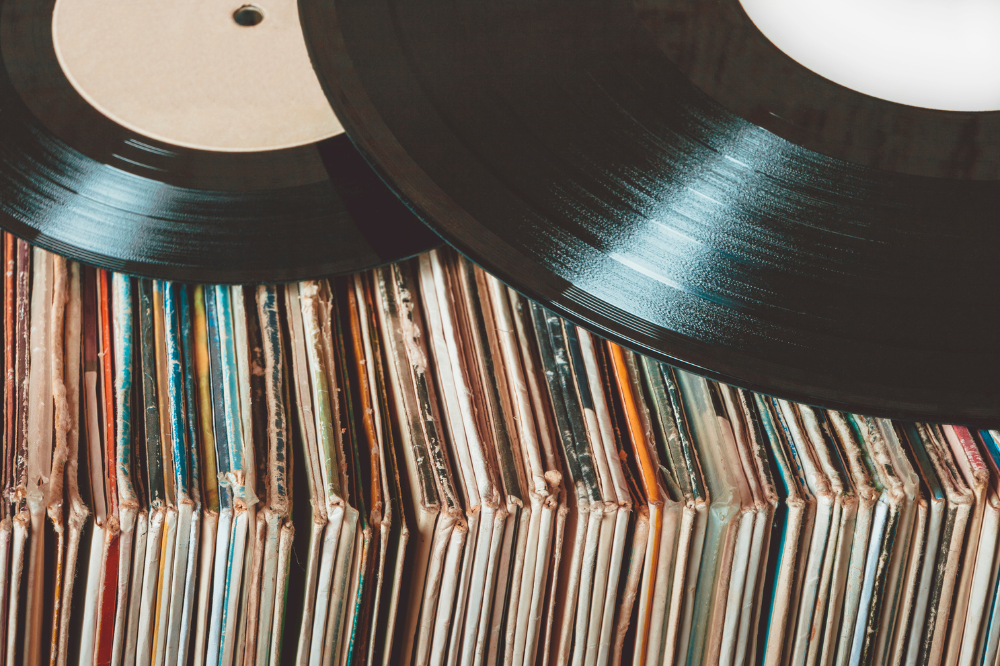
The most important rule for storing vinyl is to keep records upright, standing on their edge like books on a shelf. Stacking records flat puts the weight of the whole pile on the ones at the bottom, which can cause warping and ring wear. Leaning records at an angle is also a problem, because it applies uneven pressure over time. Aim for records that stand straight and are gently supported on both sides.
What kind of box should you use?
Choose strong, purpose-made record boxes or crates sized for LPs. These have the right internal height and width, so records sit snugly without bending. Avoid oversized general packing boxes, as records can slump or slide around in them. If you use cardboard, double-walled boxes are best.
How full should each box be?
Fill each box so the records stand upright without being squeezed tightly. If a box is too loose, records will lean. If it is too tight, you risk damaging covers when you pull one out. If you have a gap, fill it with a piece of stiff card or a spare empty sleeve.
How heavy should a box of records be?
Records are heavier than they appear. A full box of LPs can be a lot to lift, so use smaller boxes for long journeys and label them as heavy. This protects your back and reduces the chance of a box being dropped.
How should you store 7-inch singles and box sets?
Singles should also be stored upright, in boxes made for 7-inch records so they cannot slide or lean. Box sets and gatefold albums are heavier and thicker than standard LPs, so give them a little more room and avoid packing them tightly between single albums. If a box set has a fragile outer case, wrap it in a soft layer of packing paper before it goes into the box.
How do you protect records from heat and damp?
Heat and damp are the two biggest risks to a vinyl collection. You can reduce both with sensible choices about where and how you store your records.
- Keep records off the floor. Place boxes on shelving or pallets so air can circulate and they are protected from any moisture at ground level.
- Keep them away from the door. Position record boxes towards the back or middle of your unit, away from the door, where they are less exposed when the unit is open.
- Avoid direct sunlight. If you are moving records by car, do not leave them in a hot vehicle for long, as even a short spell in strong sun can warp vinyl.
- Add moisture absorbers. Silica gel sachets placed in the box (not touching the records directly) can help with damp.
- Check before packing. If your records have been kept in a loft, garage or shed, look for signs of damp before you pack them, and let any affected covers dry out first.
How should you arrange records in your unit?
A tidy layout keeps your collection safe and accessible.
- Use free-standing shelving if you plan to browse your records during visits.
- Never stack heavy boxes, furniture or appliances on top of record boxes.
- Keep the records you play most often near the front.
- Leave a clear walkway so you can reach every box without climbing over others.
How do you store turntables and audio equipment?
If you are storing your turntable too, take a few extra steps:
- Remove the platter and pack it separately.
- Fit the stylus guard or remove the cartridge to protect the stylus.
- Secure the tonearm with its clip or a soft tie.
- Pack the turntable in its original box if you have it, or a well-padded box that stops movement.
- Wrap speakers and amplifiers in soft blankets and keep them upright.
Is a self storage unit a safe place for a record collection?
A self storage unit is a practical option for collectors who are moving, decluttering or running out of room. Choose a secure facility to keep your belongings safe at all times, and use a good quality lock on your unit. With 24/7 access, you can drop off new finds or pick up a few albums whenever it suits you.
Pickfords self storage starts from £18 per week, with prices varying by unit size and location. In Horsham, Edinburgh and Manchester, free collection is available for drive up and container storage, which is useful if your collection is too heavy to move yourself.
What should you do when you take records out of storage?
When you collect your records, let them settle at room temperature for a few hours before you play them, particularly in colder months. Check covers and sleeves for any signs of damp, and give each record a light clean with a carbon fibre brush before it goes on the turntable.
Frequently asked questions
- Is it bad to store vinyl records flat?
Yes. Stacking records flat puts pressure on the ones at the bottom and can cause warping and ring wear. Always store records upright.
- Can you store vinyl records in plastic boxes?
Yes, sturdy plastic crates sized for LPs work well. Make sure records are completely dry before packing and add a silica gel sachet to help with damp.
- What are the best sleeves for storing records?
Anti-static inner sleeves protect the vinyl, while clear polypropylene or polyethylene outer sleeves protect the cover. Keep original inner sleeves with the record.
- How do you stop records from warping in storage?
Store them upright in boxes that are full enough to support them, keep them away from heat and direct sunlight, and never place heavy items on top.
- How many records fit in a storage box?
It depends on the box and the records, as heavier pressings and gatefold sleeves take more room. Fill each box so records stand upright without being squeezed.
Find space for your record collection
Now you know how to store vinyl records safely, you can make room at home without putting your collection at risk. Keep records upright, protect them with good sleeves and keep them away from heat and damp, and they will be ready to play whenever you want them.
To find the right unit for your collection, get a self storage quote or find your nearest Pickfords store.