How to store your belongings safely for long term
If you need to put your belongings away for six months, a year or longer, the way you prepare them matters as much as where you keep them. Long term storage gives you space when you are moving abroad, waiting on a new home, combining households or simply clearing room, and a little care at the start means your furniture, boxes and keepsakes come out looking the way they went in.
This guide walks you through each step, from cleaning and packing to choosing a unit size and planning visits, so you can store your belongings with confidence in 2027.
What counts as long term storage?
There is no fixed definition, but most people think of long term storage as anything from around three months upwards. Short stays, such as a few weeks between moving out and moving in, need less preparation because items are packed and unpacked quickly. Once you are looking at many months or years, small issues such as dust, trapped moisture or a box packed too heavily have time to cause damage. That is why the preparation steps below are worth the extra effort.
How do you prepare belongings for long term storage?
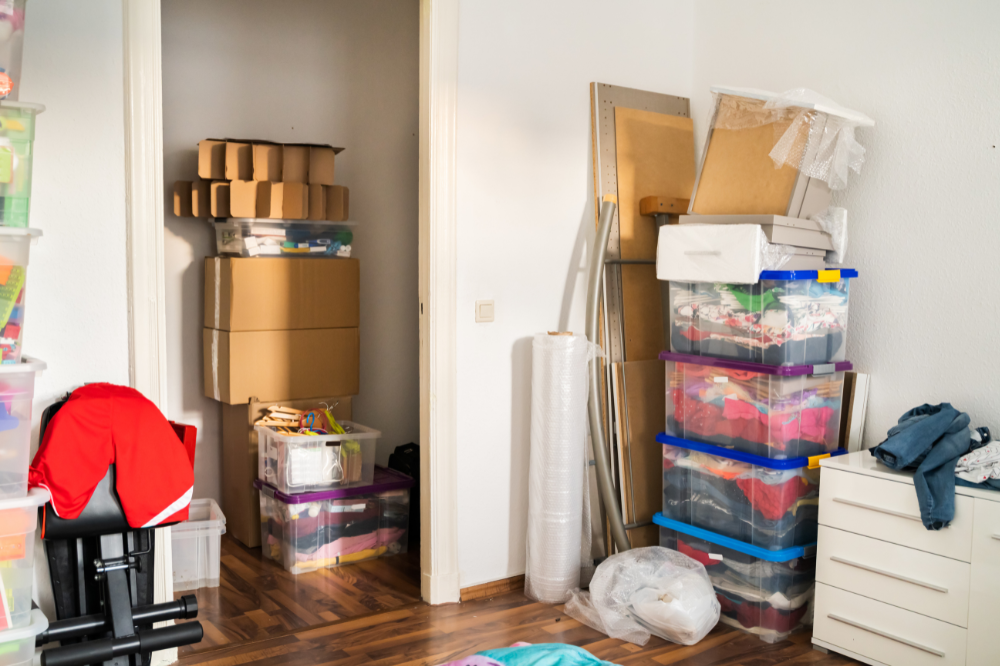
Good preparation is the single biggest factor in how well your belongings survive a long stay in storage. Work through these steps before anything goes into a box.
Why should everything be clean and dry first?
Dirt, crumbs and grease can attract pests and leave marks that set over time. Moisture is an even bigger concern, because damp items packed into a sealed box can develop mould or mildew. Before you pack:
- Wash and fully dry clothes, bedding and curtains.
- Wipe down furniture and let wooden pieces air for a day.
- Defrost, clean and dry fridges and freezers, then leave the doors slightly open in storage.
- Drain hoses on washing machines and dishwashers so no water is left inside.
- Clean garden tools and bikes, and remove fuel from lawnmowers and other petrol equipment.
Which packing materials work best for long stays?
Use strong, double-walled cardboard boxes or sturdy plastic crates with lids. Boxes of a consistent size stack more safely than a mix of shapes. Wrap fragile items in acid-free tissue or packing paper, as newspaper ink can transfer onto china and fabrics over time. Bubble wrap is useful for glass and ceramics, but avoid sealing it tightly around wood or leather for long periods, because it can trap moisture against the surface.
For a step-by-step approach to packing each room, see our packing guide.
How should you pack furniture for long term storage?
- Dismantle large items such as bed frames and tables where you can. Keep screws and fixings in labelled bags taped to the relevant piece.
- Cover sofas, chairs and mattresses with breathable cotton dust sheets or purpose-made mattress covers.
- Protect corners and legs with cardboard or foam to prevent knocks.
- Store mirrors and framed pictures upright, never flat, and mark them as fragile.
- Avoid stacking heavy boxes on upholstered furniture, as the weight can leave lasting dents.
What about electronics and appliances?
Pack televisions, computers and audio equipment in their original boxes if you still have them. If not, wrap them in anti-static bubble wrap and use a box with enough padding to stop movement. Remove batteries from remote controls, toys and devices, as old batteries can leak and damage the item. Take a photo of the cables behind each device so reconnecting is easy later.
How should you label boxes?

Label each box on at least two sides with its contents and the room it belongs to. For very long stays, number your boxes and keep a simple inventory on your phone or in a spreadsheet. When you need a single item in a year's time, you will know exactly where to look.
How do you choose the right unit size for long term storage?
Choosing the right size saves money and makes your unit easier to use. Too small, and you risk overloading stacks or blocking access. Too large, and you pay for space you do not need.
As a rough guide, a small unit suits the contents of a single room or a set of boxes, while a larger unit can hold the contents of a family home. The best approach is to list your main items, estimate the number of boxes and talk it through with the store team. You can also browse our unit sizes guide page to compare options side by side.
How should you arrange items inside the unit?
A well-planned layout keeps your belongings safe and lets you reach what you need without unpacking everything.
- Raise items off the floor. Use pallets or plastic sheeting under boxes and furniture to allow air to circulate.
- Heaviest at the bottom. Put heavy boxes on the floor and lighter ones on top to keep stacks stable.
- Leave a walkway. A narrow aisle down the middle lets you reach boxes at the back.
- Keep a small gap at the walls. This helps air move around your items.
- Put things you may need near the front. Seasonal clothing, paperwork and tools are good examples.
What should you avoid putting in storage?

Most self storage facilities have rules about what can and cannot be stored, and you should check the terms before you move in. Typically, you cannot store:
- Perishable food or anything that could attract pests
- Flammable or hazardous items, such as petrol, paint thinners, gas bottles and fireworks
- Plants or animals
- Illegal items, including stolen goods and controlled substances
It is also sensible to keep irreplaceable documents, such as passports and birth certificates, with you or in a secure place you can reach easily.
Is long term storage a good option while you live abroad?
Many people choose long term storage when they move overseas for work, study or family reasons. It means you can keep furniture and sentimental items without paying to ship them, and you have a home ready to set up again when you return.
If you are planning time overseas, a few extra steps help:
- Set up an automatic payment so your rental never lapses.
- Give the store a trusted contact in the UK who can access the unit if needed.
- Keep your inventory in cloud storage so you can check it from anywhere.
- Make sure the store has your up-to-date phone number and email address.
For more detail, read our guide to storing belongings while abroad.
How secure is long term storage?
When your belongings will be away from you for a long time, security is often the first thing on your mind. Choose a secure facility to keep your belongings safe at all times. It also helps to use a good quality lock on your unit, keep your access details private and avoid storing cash or small valuables you could keep at home.
How often should you visit your unit?
You do not need to visit often, but checking your unit every few months is a good habit for long stays. Look for any signs of pests, check that stacks are still stable and air out fabrics if needed. With 24/7 access, you can visit whenever it suits you, whether that is an early morning before work or a weekend afternoon.
How much does long term storage cost?
The cost of long term storage depends on the size of the unit, the location and how long you need it. At Pickfords, self storage starts from £18 per week. Larger units and certain locations cost more, so the best way to get an accurate figure is to request a quote based on your needs and postcode.
If you are storing for a long period, it can be worth reviewing your unit size after a few months. You may find you can move to a smaller unit once you have sorted through your belongings.
Can someone collect your belongings for you?
If you are in or near Horsham, Edinburgh or Manchester, Pickfords offers free collection for drive up and container storage. This can make a big difference if you do not have a van or are short on time before a move. Ask the store team about availability when you request your quote.
Frequently asked questions
- How long can you keep items in long term storage?
As long as you need. Most people rent by the week or month and extend as their plans change, so you can store for a few months or several years.
- Should you wrap furniture in plastic for long term storage?
It is best to avoid sealing wooden or leather furniture in plastic for long periods, because it can trap moisture. Use breathable cotton dust sheets instead and keep furniture raised off the floor.
- Can you store a fridge or freezer long term?
Yes. Defrost, clean and dry it thoroughly, then leave the door slightly open in the unit to stop odours and mould forming.
- Do you need to visit your unit during a long stay?
It is not essential, but a check every few months helps you spot any problems early. 24/7 access means you can visit at a time that suits you.
- What size unit do you need for a one-bedroom flat?
It depends on how much furniture you have, but the contents of a typical one-bedroom flat usually fit in a small to medium unit. The store team can help you choose based on your list of items.
Ready to plan your long term storage?
With careful packing, a sensible layout and the right unit size, your belongings can stay in good condition for as long as you need. Whether you are moving abroad, renovating or waiting for your next home, Pickfords self storage gives you flexible space from £18 per week, with 24/7 access and free collection for drive up and container storage in Horsham, Edinburgh or Manchester.
When you are ready, get a self storage quote or find your nearest Pickfords store to talk through your options.