How to move to Singapore from the UK
Moving to Singapore with your family is a big step, and moving a whole household around 6,700 miles adds another layer of planning. If you own a home in the UK, have children in school or a pet who is part of the family, you need more than a suitcase and a flight. This guide focuses on what it takes to move a complete home from the UK to Singapore: the survey, packing, container shipping, customs, what to take and what to leave, and how to settle your family once you arrive.

How does a full home removal to Singapore work?
A full home removal follows a clear sequence. Knowing the stages early helps you plan your sale or letting, school applications and travel around them.
- Home survey: a move manager visits (or carries out a video survey) to assess everything you plan to ship, from furniture and appliances to the contents of your loft and garage.
- Quotation and planning: you receive a quote based on volume, container size, packing needs and delivery requirements in Singapore.
- Paperwork: you complete an inventory, provide passport and pass details, and prepare customs documents.
- Packing and loading: a professional team packs your home, wraps furniture and loads the container at your property.
- Sea freight: the container travels by sea to Singapore.
- Customs clearance: your goods are cleared on arrival.
- Delivery and unpacking: your belongings are delivered to your new home, furniture is placed and packaging removed.
Why does the home survey matter so much?
The survey is the foundation of an accurate move. It tells you whether your household will fit in a 20ft or 40ft container, flags items that need special packing (pianos, artwork, antiques, large mirrors) and highlights anything that may cause access issues at either end. In Singapore, many family homes are condominium apartments, so lift bookings, loading bay access and building management rules all need planning. A thorough survey brings these details out early.
Should you choose a 20ft or 40ft container?
Container size depends on how much you plan to take. As a general guide:
| Container | Typical household | Good for |
|---|
| 20ft container | Contents of a one to three bedroom home | Couples or small families shipping key furniture and personal belongings |
| 40ft container | Contents of a three to five bedroom home | Families shipping most or all of their furniture, garden items and bulky pieces |
Your move manager will confirm the right option after the survey. With sole-use container shipping, your goods are loaded at your home, sealed, and not opened again until customs inspection or delivery, which reduces handling.
How long does shipping a container to Singapore take?

Sea transit from the UK to Singapore typically takes several weeks, and door-to-door timescales are longer once you add collection, port handling, customs clearance and delivery. Many families plan for around two months from packing to delivery. Your removal company will give you an estimated timeline for your specific move.
What should you do while your container is at sea?
Most families send a smaller air freight shipment with essentials, such as children's clothes, school uniforms, a few toys, kitchen basics and work items, so they can settle into temporary or furnished accommodation while the main shipment is in transit. Some condominiums let you rent furnished or part-furnished, which can bridge the gap.
How do you pack up a whole family home?
Packing a complete home for international shipping is very different from packing for a local move. Your belongings will be in a container for weeks and will pass through hot, humid climates, so packing quality matters.
- Export-grade materials: double-walled cartons, protective wrapping for furniture and custom crates for fragile or valuable items.
- Detailed inventory: every carton is numbered and listed, which customs requires and which makes unpacking easier.
- Room-by-room labelling: label cartons for the room they will go to in your new home, not the room they came from.
- Dismantling and reassembly: beds, wardrobes and large tables are dismantled, and fittings are bagged and labelled.
A professional packing service for a family home often takes one to three days depending on size, followed by loading.
What should you ship to Singapore and what should you sell?
Deciding what to take is one of the biggest decisions in a full home removal. Singapore homes, particularly condominiums, are often smaller than UK family houses and come with built-in wardrobes and air conditioning.
Worth shipping
- Quality furniture you love, especially pieces that would be expensive to replace.
- Children's beds, desks and favourite belongings, which help them settle.
- Artwork, books, photographs and family heirlooms.
- Electrical items: Singapore uses 230V and the same three-pin plug type as the UK, so most UK appliances work without adaptors.
Worth selling, donating or storing
- Large garden furniture, sheds, lawnmowers and garden tools if you are moving to an apartment.
- Heavy wool rugs and winter bedding, which you will rarely use in a tropical climate.
- Bulky items that will not fit Singapore room sizes; measure first if you know your new floor plan.
- Your car: vehicle ownership costs in Singapore are very high, and most families rely on public transport, taxis and ride-hailing.
If you are keeping your UK home or plan to return, storing furniture in the UK can be a sensible option.
How should you protect belongings from humidity?
Singapore is hot and humid all year. Leather, wooden furniture, books, musical instruments and artwork can be affected by damp. Make sure items are clean and completely dry before packing, and once you arrive, use air conditioning or a dehumidifier in rooms where you keep delicate pieces.
What are the customs rules for household goods?
Singapore Customs offers GST relief on used household items and personal effects for people moving their residence to Singapore. According to Singapore Customs, to qualify you generally need to show that:
- You are moving your residence to Singapore from overseas.
- You own the items and have used them for at least three months.
- You will not sell or dispose of them within three months of arrival.
- The items are imported within six months of your first arrival in Singapore.
Some goods are not covered by relief, and certain items, such as alcohol and tobacco, are taxed. Many other items are restricted or prohibited, including chewing gum (except some dental and medical types), certain medicines and some weapons, including replicas. Rules change, so check the latest guidance on the Singapore Customs website and with your removal company before you pack.
Where do families live in Singapore?
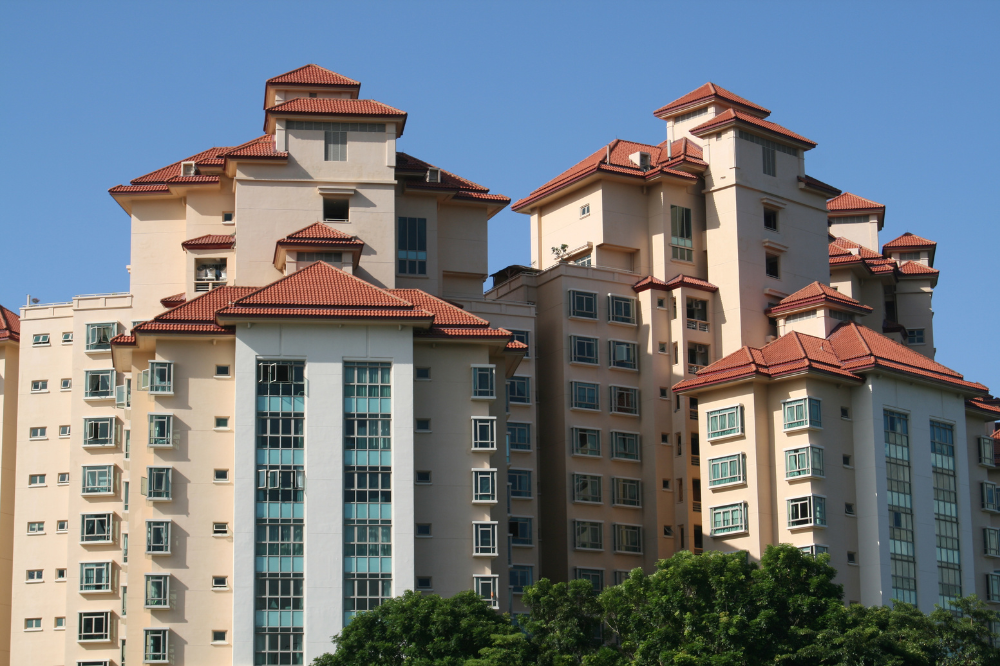
Housing is the largest cost for most families. Most UK families rent rather than buy, as foreigners face restrictions and high stamp duties on residential property purchases.
- Condominiums: the most common choice for families, often with pools, playgrounds, gyms and security staff.
- Landed properties: houses such as terraces, semi-detached homes and bungalows, offering more space and outdoor areas, usually at higher rents.
- HDB flats: public housing that some foreign families rent, typically at lower rents. Foreign residents cannot buy HDB flats.
Popular family areas include Tanglin and Dempsey, Novena, Serangoon Gardens, Sentosa Cove and the northern suburbs around Woodlands. Many families choose an area based on school location first, as daily journeys in the heat can be tiring for children. Rental agreements usually involve a deposit of one or two months' rent, so budget for this alongside agent fees.
How do you choose a school in Singapore?
School places should be one of your first tasks, ideally six to twelve months before you move. International schools are in high demand and some have waiting lists.
- British curriculum schools: several international schools follow the English National Curriculum, leading to GCSEs and A levels, which makes it easier to return to UK education later.
- International Baccalaureate schools: widely available and recognised by universities worldwide.
- Local government schools: foreign students can apply, but places are limited and priority goes to Singapore citizens and permanent residents.
International school fees are significant, so check whether your employer's package includes an education allowance. Many schools also charge application and enrolment fees.
Can you bring your pets to Singapore?
Yes. Singapore's Animal and Veterinary Service (part of the National Parks Board) categorises countries by rabies risk. The UK is in the lowest risk group, which means dogs and cats that meet all the conditions may not need quarantine. Requirements typically include an import licence, an ISO-compliant microchip, up-to-date vaccinations and a veterinary health certificate. Some dog breeds are banned, and rules on the import process change from time to time. Check the latest requirements with the National Parks Board and use an experienced pet shipping specialist. Pets usually travel by air as manifest cargo, separately from your household goods.
What does a 2027 family timeline look like?
| When | What to do |
|---|
| 9 to 12 months before | Research schools and apply; confirm your employment pass and Dependant's Passes with your employer |
| 6 months before | Book a home survey; decide whether to sell, let or keep your UK home |
| 3 to 4 months before | Confirm your removal date; start the pet import process; declutter |
| 6 to 8 weeks before | Arrange temporary accommodation in Singapore; finalise your inventory |
| Moving week | Packing, loading and container departure; air freight sent |
| After arrival | Customs clearance, delivery and unpacking in your new home |
Frequently asked questions
- How much does it cost to ship a house to Singapore from the UK?
The cost depends on volume, container size, packing services, access at both ends and the time of year. A home survey gives you an accurate quote for your household.
- Do I need a 20ft or 40ft container?
A 20ft container usually suits a one to three bedroom home, and a 40ft container a three to five bedroom home. Your survey will confirm the right size.
- Will my UK electrical appliances work in Singapore?
Most will. Singapore uses 230V and the same three-pin plugs as the UK. Large appliances may not suit Singapore kitchens, so check the dimensions of your new home first.
- Do I pay import tax on my household goods?
Used household goods and personal effects may qualify for GST relief if you meet Singapore Customs' conditions. Alcohol and tobacco are taxed.
- Can my dog or cat travel with me?
Pets usually travel by air as cargo. The UK is in Singapore's lowest rabies risk category, so pets that meet all requirements may avoid quarantine.
- How early should I book my removal?
Ideally three to six months ahead, especially in the summer, when many families move around the school year.
Plan your family move to Singapore
Moving a whole home to Singapore takes careful planning, but with the right preparation your family can arrive to familiar furniture, favourite belongings and a home that feels like yours. Pickfords has decades of experience in international removals and can guide you through each stage, from the first survey to unpacking in Singapore. Book a survey whenever you are ready to start.