Piano removals: moving your piano safely
A piano is one of the heaviest and most delicate items in most homes. It combines a heavy frame with thousands of finely adjusted parts, so it needs careful planning, the right equipment and an experienced team. The safest way to move a piano is to declare it at your removal survey and let a specialist crew handle it, with the route, equipment and protection planned in advance. Many owners choose white glove piano removals, where the team takes care of every step from wrapping to final placement in the new room.
This guide explains what is involved, what affects the cost and how to look after your piano once it arrives.
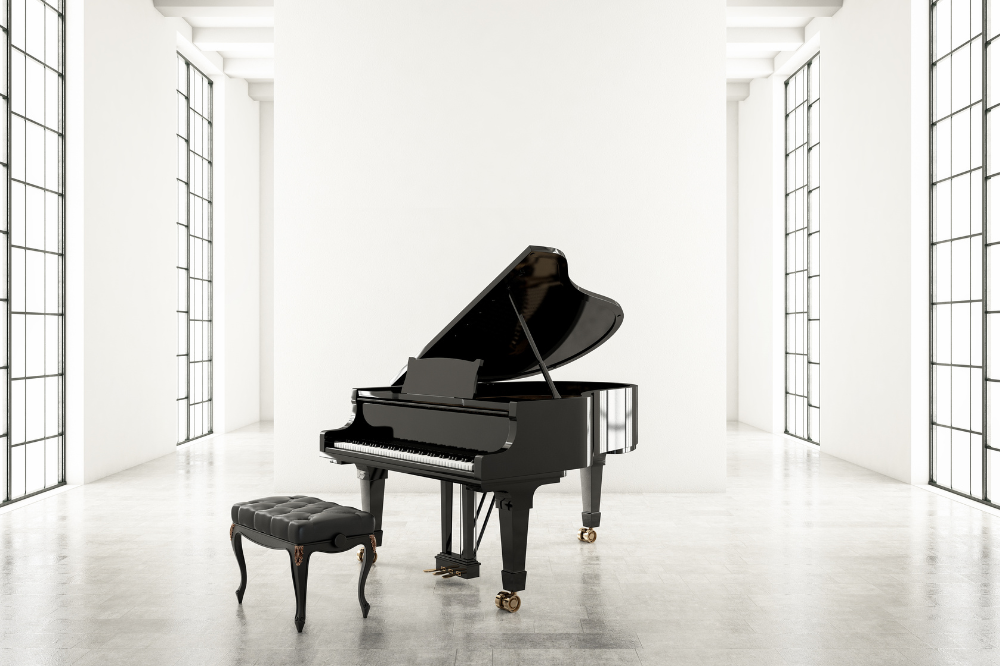
Upright and grand pianos
Upright pianos
Upright pianos are the most common type in UK homes. They typically weigh between around 140kg and 300kg, depending on size and age. Older uprights with full iron frames are often at the heavier end. Most of the weight sits low and towards the back, which makes them top-heavy when tilted.
Grand and baby grand pianos
Grand pianos usually weigh between around 250kg and 500kg. To move one, the crew removes the legs and pedal lyre, lays the piano on its straight side on a padded piano board and straps it securely. The case and legs are wrapped separately.
Why specialist handling matters
Moving a piano involves more than lifting. A trained team will:
- Assess the route through both homes, including doorways, corners and steps
- Use piano trolleys, skids, boards and straps designed for the weight
- Protect the case, keys and pedals with blankets and covers
- Keep the piano upright or on its correct side throughout
- Secure it in the vehicle so it cannot shift in transit
- Protect floors, walls and banisters along the way
Pianos should always be declared during your survey, so the correct crew size, equipment and insurance cover can be arranged. In some cases, a protective crate may be built for extra protection. Pianos are one of several items covered by our specialist moving services, alongside antiques, fine art and other high-value pieces.
What a white glove service adds
A white glove service goes further than loading and unloading. The crew wraps the piano in fitted padded covers, protects floors and doorframes at both homes, places the piano exactly where you want it and takes all packaging away afterwards. For a grand piano, this includes refitting the legs, pedal lyre and music desk once it is in position. If you have a valuable or much-loved instrument, our white glove delivery service gives you that extra level of care from start to finish.
Moving a piano up or down stairs
Stairs are where most of the planning goes. A straight staircase with room to turn at the top and bottom is usually manageable with the right team and equipment. Tight turns, narrow landings or spiral stairs may need extra people, more time or, occasionally, alternative methods such as removing a window. Your survey will identify any of these points early, so there are no surprises on moving day.
What affects the cost of piano removals
There is no single price for moving a piano. The main factors are:
- Type and size: a grand piano needs more preparation than an upright.
- Weight: heavier instruments need more crew members.
- Access: stairs, narrow doorways and long carries from the van add time.
- Distance: a local move costs less than a long distance one.
- Protection: crating or extra wrapping for valuable instruments.
- Storage: if the piano needs to be stored between homes.
If you are moving home at the same time, including the piano in your main removal is often the simplest approach. Our guide to removal costs in the UK explains how specialist items fit into a quote.
Moving a piano yourself
Some people consider moving a piano with friends. It is worth weighing this carefully. Pianos are very heavy, top-heavy when tilted and easy to damage, and a fall can cause injury as well as damage to the instrument and your home. Standard van hire insurance is also unlikely to cover the piano itself. For most people, a professional team is the safer choice, especially where stairs are involved.
Preparing your piano for moving day
- Close and lock the lid, if it has a lock
- Remove music, ornaments and photographs from the top
- Clear a wide path from the piano to the door
- Measure doorways and stair widths at your new home
- Let the crew know about any floors that need extra protection
Tuning your piano after a move
Moving can affect tuning, mainly because of changes in temperature and humidity between homes. Piano technicians commonly recommend waiting around two to four weeks before tuning, so the instrument can settle into its new room. Position the piano away from radiators, fireplaces and direct sunlight, and ideally against an internal wall.
Storing a piano
If there is a gap between homes, a piano can be stored with the rest of your belongings. For longer gaps, drive-up self storage is a good long-term option, while container storage suits shorter stays. Self storage starts from £18, and we offer free collection for drive-up storage and container storage in Horsham, Edinburgh and Manchester. Choose a secure facility to keep your belongings safe at all times. Find out more about furniture storage.
Frequently asked questions
- How much does an upright piano weigh?
Most upright pianos weigh between around 140kg and 300kg. Older models with heavy iron frames tend to be at the higher end.
- Can a piano be moved on its back?
An upright piano should stay upright wherever possible. A grand piano is moved on its straight side on a padded board, with the legs removed.
- How long should I wait to tune a piano after moving?
Most piano technicians suggest waiting around two to four weeks. This lets the piano adjust to the temperature and humidity of its new room.
- Can removal companies move a piano with the rest of my house?
Many can, as long as you declare it during the survey. This allows the right crew, equipment and insurance to be arranged.
- What if the piano will not fit up the stairs?
The survey team will check this in advance. Options can include extra crew, removing a door or, occasionally, moving the piano through a window.
- What are white glove piano removals?
This option covers the full process: wrapping, careful handling, transport, placement in the room of your choice and removal of all packaging. For grand pianos, the crew also refits the legs and pedals on arrival.
- Does moving damage a piano?
When handled by a trained team, the risk is low. Most pianos only need a routine tuning once they have settled.
Moving home with a piano? Get in touch with our expert team for personalised advice, or request a free quote for your upcoming move.