Prohibited items and what you can store instead
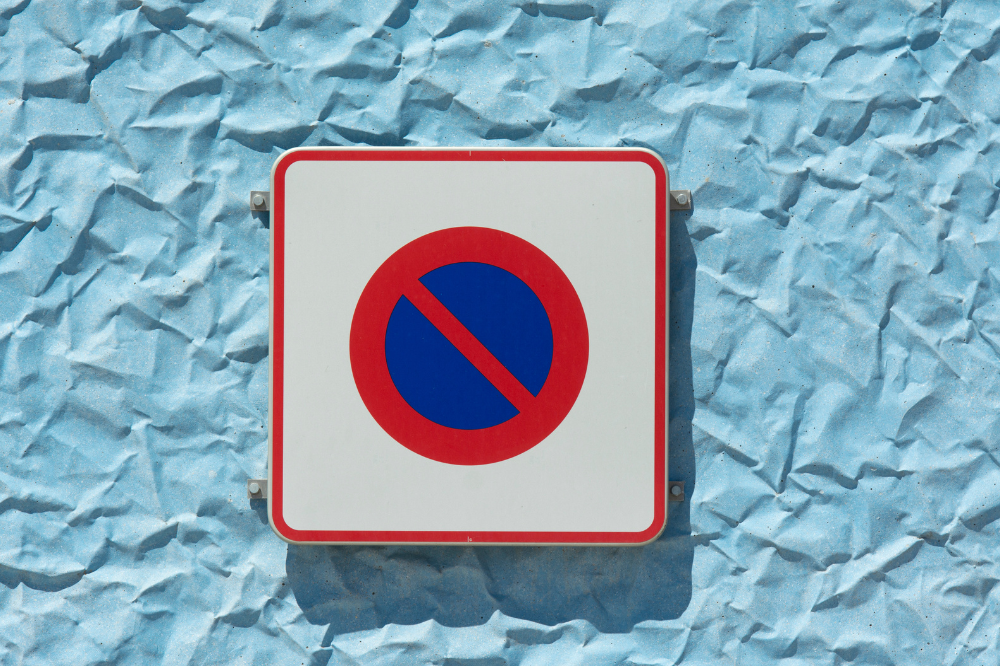
You should not put perishable food, flammable or hazardous materials, illegal goods, living creatures, cash or irreplaceable valuables, or damp items into a self storage unit. These items can create safety risks, cause damage to your belongings and those of other customers, or break the terms of your rental agreement.
Self storage is a practical way to keep furniture, boxes, seasonal items and business stock safe. Knowing what cannot be stored before you pack helps you avoid problems later. This 2027 guide explains each category, why it is not allowed and what to do instead.
Items you cannot store at a glance
| Item type | Examples | Why it is not allowed |
|---|
| Perishable goods | Food, fresh produce, pet food, plants | Attracts pests, causes odours and mould |
| Flammable and hazardous materials | Petrol, paint, oil, solvents, gas bottles, aerosols, fireworks | Risk of fire, leaks or explosion |
| Illegal or unlicensed goods | Stolen goods, counterfeit items, controlled substances | Breaks the law and your rental agreement |
| Weapons and ammunition | Firearms, ammunition, explosives | Serious safety and legal risk |
| Living creatures | Pets, animals, plants | No ventilation, light, food or water |
| Cash and irreplaceable valuables | Money, deeds, securities, items of unique sentimental value | Better kept in a bank, safe deposit box or at home |
| Wet or damp items | Unwashed garden furniture, damp fabrics, wet tools | Leads to mould and mildew that can spread |
| Environmentally harmful goods | Toxic chemicals, pesticides, asbestos | Risk to people, property and the environment |
Perishable goods
Food, fresh produce, pet food and plants spoil quickly. They attract insects and rodents, cause unpleasant odours and encourage mould. An infestation can damage your belongings and spread to neighbouring units. Tinned food is also best kept at home, as damaged tins can leak.
Flammable and hazardous materials
Petrol, paint, engine oil, cleaning solvents, gas bottles, aerosols and fireworks can catch fire, leak or explode. Before storing a lawnmower, generator or motorbike, drain the fuel tank completely. Empty or fully clean paint tins before storing decorating equipment.
Illegal and unlicensed goods
Stolen goods, counterfeit products, controlled substances and unlicensed items such as unsafe electrical goods, medicines or cosmetics cannot be stored. Storing these items breaks the law and will end your rental agreement.
Weapons, ammunition and explosives
Firearms, ammunition and explosives present a serious risk and are not permitted in self storage units.
Living creatures
Pets, animals and plants must never be placed in a self storage unit. Units have no natural light, ventilation, food or water and are unsuitable for any living thing.
Cash, documents of title and irreplaceable valuables
Cash, title deeds, share certificates and items of unique sentimental value are best kept in a bank, a safe deposit box or a secure place at home. These items are hard to value and difficult or impossible to replace. Everyday documents and archived paperwork can be stored when packed in sturdy, labelled boxes.
Damp or wet items
Anything stored damp can develop mould and mildew, which spreads to other belongings. Wash and dry fabrics, clean and dry garden furniture and tools, and defrost and dry fridges and freezers for at least 48 hours with the doors left slightly open before storing.
Lithium batteries
Large lithium batteries, such as those in e-bikes, e-scooters and power tools, can be a fire risk if damaged. Remove batteries where possible and check with your facility before storing battery-powered equipment.
What you can store
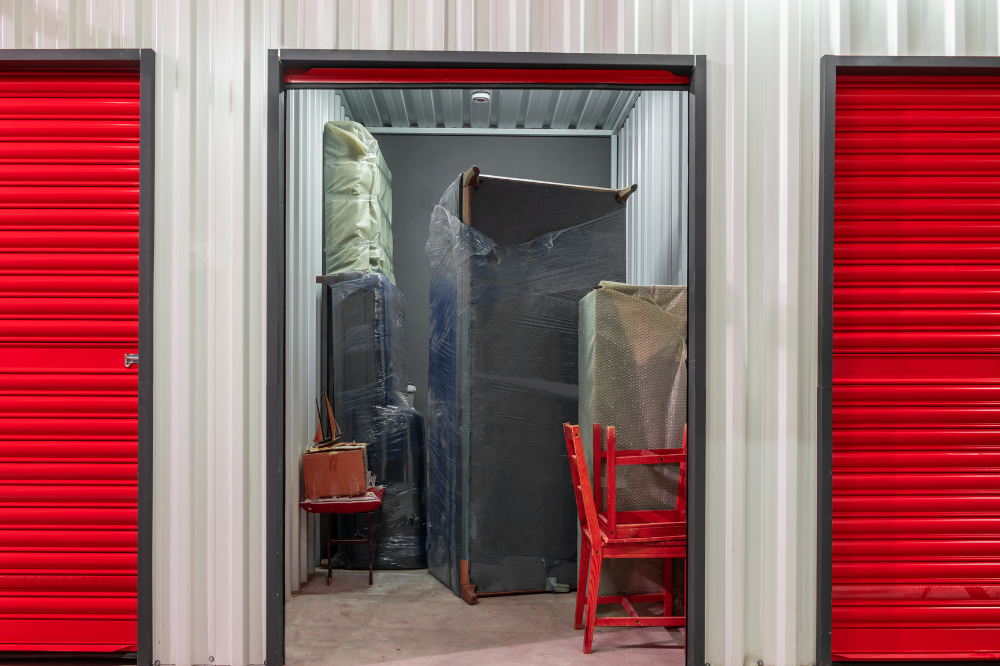
Most household and business items are suitable for self storage when they are clean, dry and non-hazardous. Common items include:
- Furniture, mattresses and household appliances
- Boxes of books, clothes and kitchenware
- Seasonal items such as holiday decorations and garden furniture
- Sports, camping and hobby equipment
- Business stock, tools and archived files
For advice on getting these items ready, read Ask Amanda: how to pack a self storage unit.
Frequently asked questions
- Can I store a car or motorbike in self storage?
Vehicles can sometimes be stored in drive-up units or containers depending on size and the facility. Drain the fuel, disconnect the battery and contact your nearest Pickfords facility to discuss your needs first.
- Can I store a fridge or freezer?
Yes, as long as it has been defrosted, cleaned and fully dried, with the doors left slightly open to prevent odours.
- Can I store paint in a storage unit?
No. Paint and solvents are flammable and cannot be stored. Clean decorating equipment can be stored once paint tins are emptied or removed.
- What happens if I store a prohibited item?
Storing prohibited items breaks the terms of your rental agreement. If you are unsure about a specific item, ask your facility before you move it in.
- Do I need insurance for my stored belongings?
It is advisable to have your belongings covered while in storage. Read more about self storage insurance.
Store your belongings safely with Pickfords
Pickfords Self Storage offers secure units across 15 UK locations, with flexible terms and prices from £18 per week for a 50 sq ft drive-up unit. If you are new to storage, our beginner's guide to self storage explains how it all works. Contact Pickfords today to discuss your storage needs.