Best places to live in Italy 2027: top 7 cities guide
Italy is a beautiful country that captivates newcomers with its history, landscapes and culture. From the snow-capped Alps and busy cities of northern Italy to the sunny coastlines and beaches of the south, there is a wide range of places to call home. If you are moving to Italy from the UK in 2027, you will need a national visa for any stay over 90 days, and choosing the right city is the next big decision.
Whether you are drawn to city life in Rome or Milan or prefer the relaxed pace of a small Tuscan village, living in Italy offers something for everyone. With welcoming communities, delicious food and a lifestyle that values both work and leisure, Italy remains one of the most popular European countries for British movers. Below you will find our top 7 places to live, followed by how to move to Italy from the UK step by step.
Is Italy a good place to live for expats and families?
Yes, for many people. Italy offers a rich cultural heritage, a Mediterranean climate in much of the country, public healthcare and a wide choice of cities, towns and countryside. Costs vary a lot between regions: northern cities such as Milan are more expensive, while the south is generally more affordable. Bureaucracy can be slow, so leave plenty of time for paperwork.
Best places to live in Italy: top 7 cities
1. Florence

Florence is often considered one of the best places to live in Italy thanks to its history and culture. The River Arno runs through the heart of the city, adding to its charm. As the cradle of the Renaissance, Florence is home to world-class museums, art and architecture. It offers a sophisticated yet manageable city atmosphere, ideal if you want history, culture and modern living together.
2. Rome

As the capital of Italy, Rome is a global historical and cultural hub. Ancient landmarks such as the Colosseum sit alongside modern infrastructure, and Vatican City, the world's smallest independent state, is surrounded by the city. Rome is a vibrant place with career opportunities, public transport and an impressive food scene, making it one of the top places to live in Italy if you enjoy an urban environment.
3. Milan: fashion capital

Milan is Italy's financial and fashion capital, making it an excellent choice for professionals and those looking for business opportunities. Known for its infrastructure, shopping and strong job market, Milan is one of the best places to live in Italy if you want a cosmopolitan lifestyle. It also has a rich cultural scene, including opera, art and design, combining modern living with the traditional Italian way of life.
4. Venice
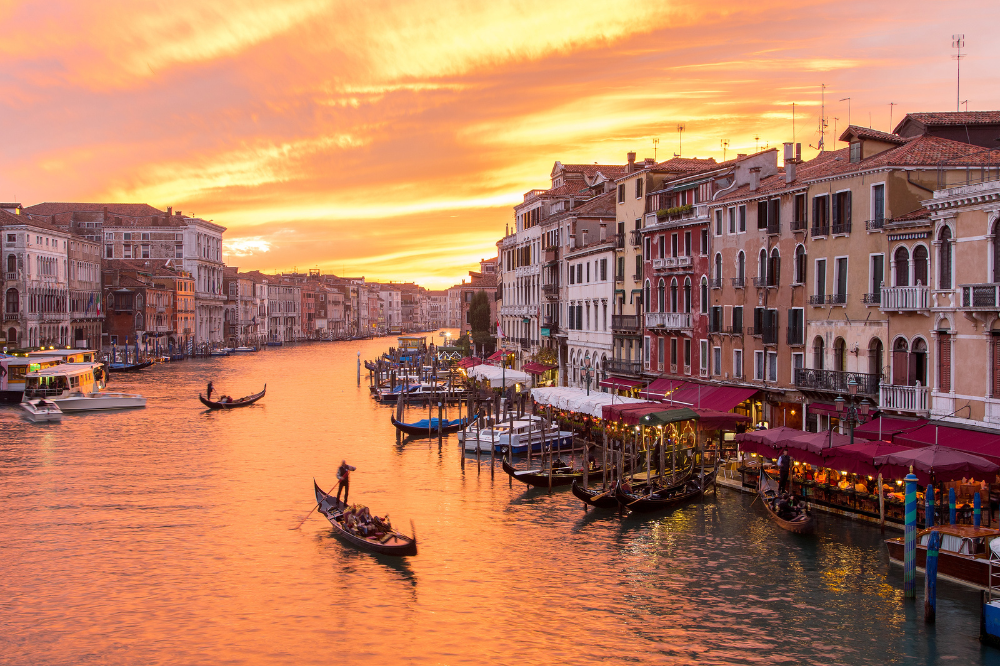
Venice is one of the most unique places to live in Italy. The Grand Canal, its most famous waterway, is a defining feature of the city. Known for its winding canals, historic buildings and beauty, Venice offers a calm atmosphere without cars. It suits people who want to immerse themselves in history and enjoy a slower pace of life.
5. Bologna

Bologna sits in northern central Italy, making it a convenient base for exploring the region. It is known for its student population, as it is home to the University of Bologna, founded in 1088 and the oldest university in continuous operation in the Western world. With a thriving food scene, beautiful architecture and a busy arts scene, Bologna offers an excellent quality of life.
6. Turin

Turin combines sophistication and calm. Famous for its elegant cafés and industrial heritage, it is one of the best places to live in Italy if you want a slower pace than the bigger cities. It is also a centre for arts, culture and design, making it a great base if you are interested in Italy's creative industries.
7. Naples

Naples offers an authentic Italian experience, with lively street life, rich history and easy access to some of Italy's most beautiful coastline. It is a gateway to the Amalfi Coast and Pompeii and close to beaches with clear blue water. Naples suits people who want a vibrant, historic city with a strong local identity, and it is famous for its pizza.
Whether you are looking for a busy city or a quiet retreat, Italy has options for every lifestyle, from the treasures of Florence and Rome to the canals of Venice and the coast near Naples.
Moving to Italy from the UK
Since Brexit, UK nationals no longer have free movement in Italy. Based on GOV.UK Living in Italy guidance and the Italian Ministry of Foreign Affairs visa portal, here is what applies in 2027:
- Short stays: you can visit Italy and the rest of the Schengen area for up to 90 days in any 180 day period without a visa. You will register in the EU Entry/Exit System (EES) at the border, and ETIAS travel authorisation is expected to apply once it launches.
- Longer stays: for more than 90 days you need a national (type D) visa from the Italian consulate before you travel. Common routes include work (usually linked to an employer's work authorisation, the nulla osta), elective residence for people with a stable passive income such as a pension, family reunion, study and the digital nomad visa for remote workers.
- Existing residents: UK nationals legally living in Italy before 1 January 2021 keep their rights under the Withdrawal Agreement.
How to move to Italy from the UK: step by step
- Choose your visa route and check the income, accommodation and health insurance requirements with the Italian consulate in London or Edinburgh.
- Get a codice fiscale (tax code). You need it to rent a home, open a bank account and sign contracts. You can apply through the consulate or the Italian Revenue Agency.
- Apply for your national visa before you travel, and do not book your shipment until it is approved.
- Apply for your residence permit (permesso di soggiorno) within eight days of arriving in Italy, usually through the post office kit.
- Register your residence with the anagrafe at your local comune once you have a home.
- Register with the national health service (SSN) at your local health authority (ASL) once you have your residence permit.
- Sort tax, driving and banking. Tell HMRC you are leaving the UK, check GOV.UK for driving licence exchange rules and open an Italian bank account.
Our moving abroad checklist and who to inform when you move cover the UK side of your move.
Shipping your belongings to Italy
Most household moves to Italy travel by road, either as a dedicated load or a shared groupage service for smaller moves. Italian customs allow household goods to be imported free of duty on a transfer of residence, as long as you have owned and used them for at least six months. Your mover can help with the inventory and paperwork.
Pickfords international removals cover Italy, from Milan apartments to Tuscan farmhouses, and our packing services protect fragile items in transit. The cost depends on volume, distance and service, so request a free quote. Bringing a pet? Our pet shipping service can help.
If you are not ready to take everything, self storage from £18 keeps your belongings in the UK, with drive-up self storage for long term needs. Choose a secure facility to keep your belongings safe at all times.
Visas for living in Italy
If you are planning to live in Italy and you are not an EU citizen, getting the right visa is the essential first step. The type of visa depends on your reason for moving, whether work, study, retirement or joining family. The Italian consulate will guide you through the application, which typically requires a valid passport, proof of sufficient income, health insurance and supporting documents. Always check GOV.UK and the Italian consulate for the latest information before you make plans.
Healthcare in Italy
The Italian healthcare system is well regarded. Once you have your residence permit, you can register with your local health authority to use public healthcare services. Many people also take out private health insurance for faster access to specialists. In larger cities many healthcare professionals speak English. Whichever you choose, make sure you have cover from the day you arrive, as health insurance is usually required for your visa.
Managing finances in Italy
Opening a local bank account makes it easier to pay bills and receive income. Italian banks offer a range of accounts, including some for non-residents. The cost of living varies widely: northern cities such as Milan and Turin are generally more expensive than towns in the south. Factor in income tax and VAT when planning your budget, and take advice on tax residency, as you may become tax resident in Italy if you live there for most of the year.
Where to live in Italy: finding your perfect location
Whether you are drawn to the shores of Lake Como, the cliffs of the Amalfi Coast or the colourful villages of the Cinque Terre, Italy has no shortage of beautiful places. Historic cities offer busy city life, while smaller towns offer a slower pace and a close community. As you settle in, learning the language and embracing local customs will help you feel at home. Moving with children? Read our guide to moving home with a family.
Frequently asked questions
- What is the best place to live in Italy?
It depends on your priorities. Rome and Milan suit professionals, Florence and Bologna suit students and culture lovers, Turin and Venice offer a slower pace, and Naples offers warmth, coastline and lower costs than the north.
- What is the cheapest city to live in Italy?
Southern cities such as Naples, Palermo, Catania, Bari and Lecce generally have lower living costs than northern cities such as Milan or Florence.
- Can I move to Italy from the UK after Brexit?
Yes, but for stays over 90 days you need a national visa from the Italian consulate before you go, then a residence permit after you arrive. Routes include work, elective residence, family, study and the digital nomad visa.
- How do I move to Italy from the UK?
Choose your visa route, get a codice fiscale, apply for your visa, then apply for your permesso di soggiorno within eight days of arrival and register with your comune. An international mover can handle packing, shipping and customs paperwork.
- Is Italy a good place to retire?
Many retirees choose Italy for its culture, healthcare and Mediterranean lifestyle. The elective residence visa is the usual route and requires proof of a stable passive income, so check the current level with the consulate.
- What is the cost of living in Italy compared to the UK?
Rent is generally lower in Italy, especially outside Milan and Rome, but utilities and imported goods can cost more. Costs vary widely between northern and southern regions.
- Do I need to speak Italian to live in Italy?
In major cities and tourist areas English is widely spoken. In smaller towns and rural areas, learning basic Italian will make daily life, and dealing with paperwork, much easier.
Ready to start your move? Request a free quote for your move to Italy or get in touch with our expert team for personalised advice.