Moving to Thailand from UK: best places to live 2027
Moving to Thailand from the UK is a popular choice for Brits looking for warm weather, a lower cost of living and a rich culture. To move, you will need a visa that matches your plans, such as the Destination Thailand Visa for remote workers, a retirement visa if you are 50 or over, or a work visa with a Thai employer. Once your visa is sorted, the next big question is where to live.
Thailand has long been a favourite with British expats. In this guide, we explain how to move to Thailand from the UK in 2027, then look at the best places to live and what each one offers.
Moving to Thailand from UK: visa options for 2027
British passport holders can enter Thailand visa free for short stays, but you need a visa to live there long term. All visa applications are made online through the official Thai e-Visa website (thaievisa.go.th). The main routes are:
- Destination Thailand Visa (DTV): a five year, multiple entry visa for remote workers, freelancers and people joining activities such as Muay Thai, cookery courses or medical treatment. Each stay can last up to 180 days, and you must show proof of funds.
- Non-Immigrant O and O-A (retirement): for people aged 50 or over who meet financial requirements through savings, pension income or a mix of both. The O-A also requires health insurance.
- Non-Immigrant B (business and work): for people employed by a Thai company. You will also need a work permit before you start work.
- Long-Term Resident (LTR) visa: a 10 year visa for wealthy individuals, pensioners, remote workers for established companies and highly skilled professionals who meet set income and asset tests.
- Thailand Privilege (formerly Thailand Elite): a paid membership programme that gives long stay visas of five to 20 years.
- Education visa (Non-Immigrant ED): for students enrolled at a recognised Thai institution.
- Marriage visa: for people married to a Thai national.
There is no working holiday scheme for UK citizens. All travellers must also complete the Thailand Digital Arrival Card online before arriving. Visa rules, visa exempt stays and financial thresholds change often, so check the official e-Visa website and the Royal Thai Embassy in London before you apply.
How to move to Thailand from UK: step by step
- Pick your visa based on your age, income and plans, and check the latest requirements on thaievisa.go.th.
- Gather your documents: passport, bank statements, proof of income or pension, health insurance and, for some visas, a UK police certificate and medical certificate.
- Apply online and allow plenty of time for processing.
- Choose where to live. Use the city guide below and consider a short trip first.
- Book a home survey and get a removals quote. Decide what to ship, sell or store. Many people moving to Thailand take fewer belongings, as furnished rentals are common.
- Arrange pet travel if needed. Thailand's Department of Livestock Development sets import rules for cats and dogs.
- Sort your UK affairs: tell HMRC, your bank, pension providers, GP and council. Our guide on who to inform when moving house can help.
- Book flights and short term accommodation for your first few weeks.
- Settle in: open a Thai bank account, register your address as required by your visa and check your health insurance cover.
For a full plan, see our moving abroad checklist.
Is Thailand a good place to live for expats?
Thailand is one of Southeast Asia's most popular expat destinations. It offers a mix of traditional Thai culture and modern conveniences, with lively markets, ancient temples, quiet beaches and festivals all year round.
From the slower pace of Chiang Mai to the energy of Bangkok, there is a place to suit every personality. The lower cost of living means you can enjoy a good quality of life on a modest budget, and friendly locals and established expat communities make it easier to settle in.
1. Chiang Mai: best place to live in Thailand for culture

Chiang Mai, in the mountains of northern Thailand, is known for its history, temples and arts scene. It offers a mix of culture, comfort and affordability, and is often described as one of Thailand's most affordable cities for expats.
What Chiang Mai has to offer:
- Cost of living: many expats live comfortably on around 30,000 to 50,000 THB (roughly £700 to £1,150) a month, including housing, food and leisure.
- Culture: the city hosts festivals and events all year, and temples such as Wat Phra That Doi Suthep show some of Thailand's most important spiritual heritage.
- Lifestyle: Chiang Mai is famous for its coffee shops, popular with remote workers and expats.
- Safety: it is considered one of the safer cities in Thailand, which suits families and retirees.
- Expat community: there is a large British community with regular meet ups, and several international schools.
Chiang Mai can have poor air quality during the burning season (usually around February to April), so it is worth checking air quality if you have health concerns.
2. Bangkok: best place to live in Thailand for professionals
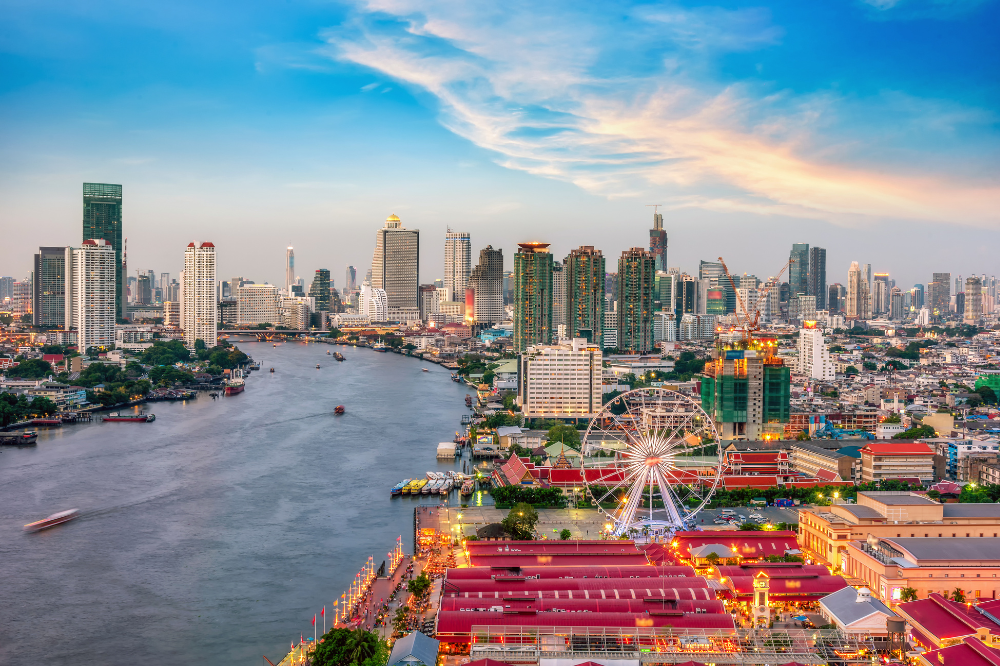
If you enjoy a fast pace, Bangkok could be for you. As Thailand's capital and economic hub, it combines traditional and modern living.
Why Bangkok is a great place to live:
- Career opportunities: Bangkok is a centre for international business, with jobs in technology, education and hospitality. Tourism is also a big employer.
- Lifestyle: restaurants, shopping malls and entertainment options cover every taste, from street food to fine dining, with plenty of bars and live music.
- Transport: traffic can be heavy, but the BTS Skytrain and MRT subway make getting around affordable. Bangkok also has two international airports with frequent flights to the UK and Europe.
- Culture: landmarks such as the Grand Palace and Wat Pho let you explore Thai history while enjoying modern city life.
- Family and education: there are many international schools, though fees are an important part of your budget.
3. Phuket: best place to live in Thailand for beach life
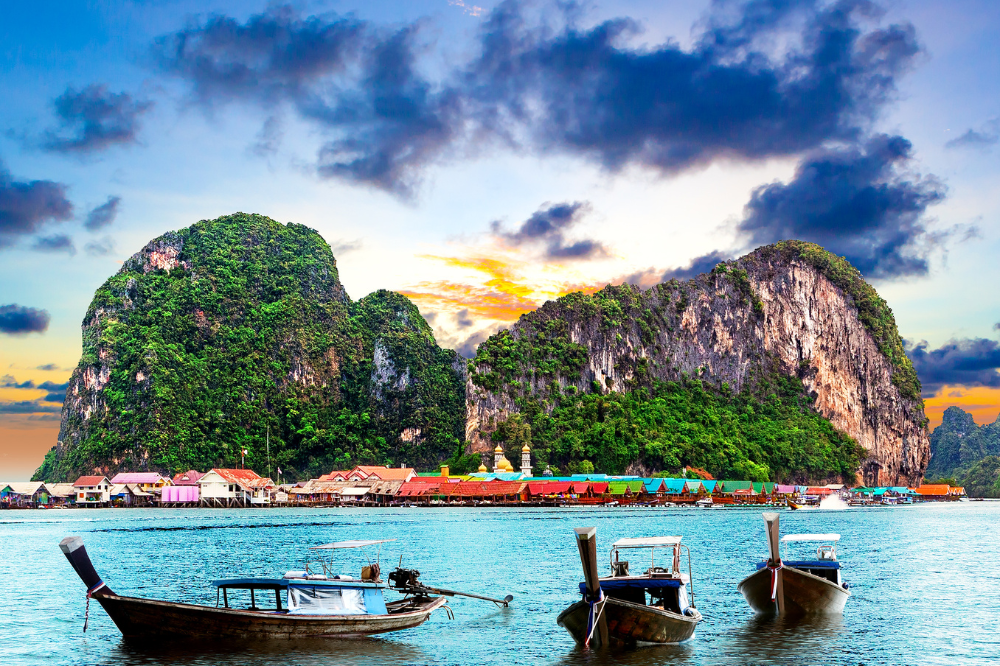
Phuket is Thailand's largest island and a favourite with expats who want to live near the beach. Long sandy beaches and a lively nightlife make it ideal for a tropical lifestyle.
Phuket Town is quieter and less touristy, with shopping malls and international schools close by.
Why you should consider living in Phuket:
- Natural beauty: clear waters and soft sand make it ideal for water sports and relaxing.
- Expat community: a large expat population and plenty of clubs make it easy to meet people.
- Cost of living: Phuket is more expensive than Chiang Mai, but many people live well on 50,000 to 70,000 THB (roughly £1,150 to £1,600) a month. Villas and beachfront homes are available, and there is good private healthcare.
- Activities: from cultural shows to island hopping tours, there is plenty to do.
Phuket has an international airport and several international schools, and tourism supports much of the island's infrastructure.
4. Hua Hin: best place to live in Thailand for families
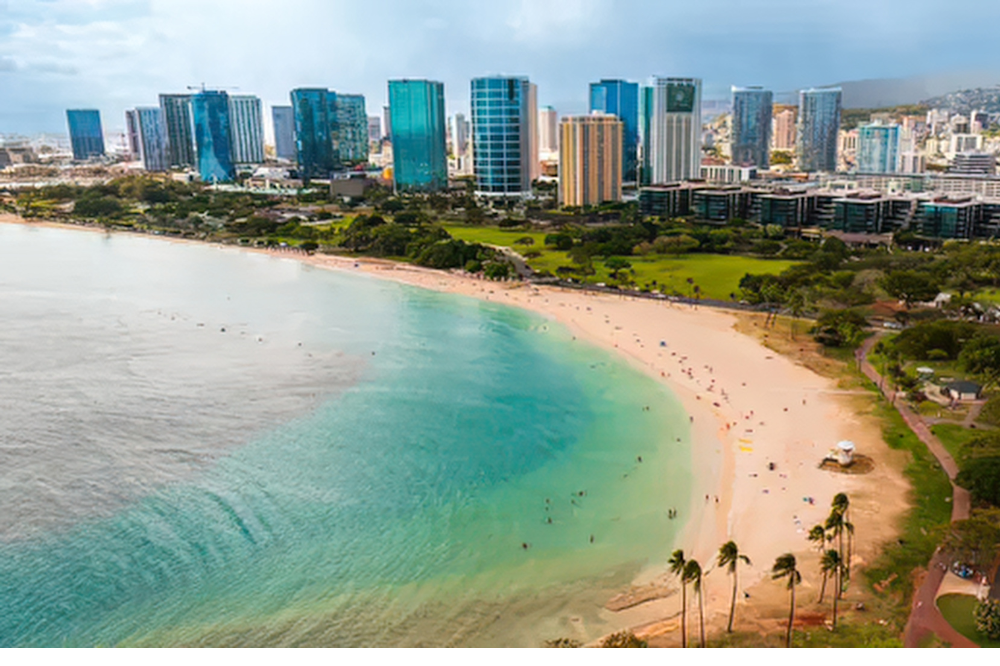
If you prefer a quieter beach town, Hua Hin might suit you. This seaside resort is popular with retirees and families.
What makes Hua Hin special:
- Family friendly: good schools and healthcare, with a slower pace that suits families and retirees.
- Safety: Hua Hin is known for a low crime rate and a welcoming local community.
- Cost of living: many people live comfortably on 30,000 to 50,000 THB (roughly £700 to £1,150) a month, with affordable housing and dining.
- Activities: local markets, golf courses and long sandy beaches, plus easy access to Bangkok, around three hours away by road.
5. Koh Samui: best place to live in Thailand for luxury
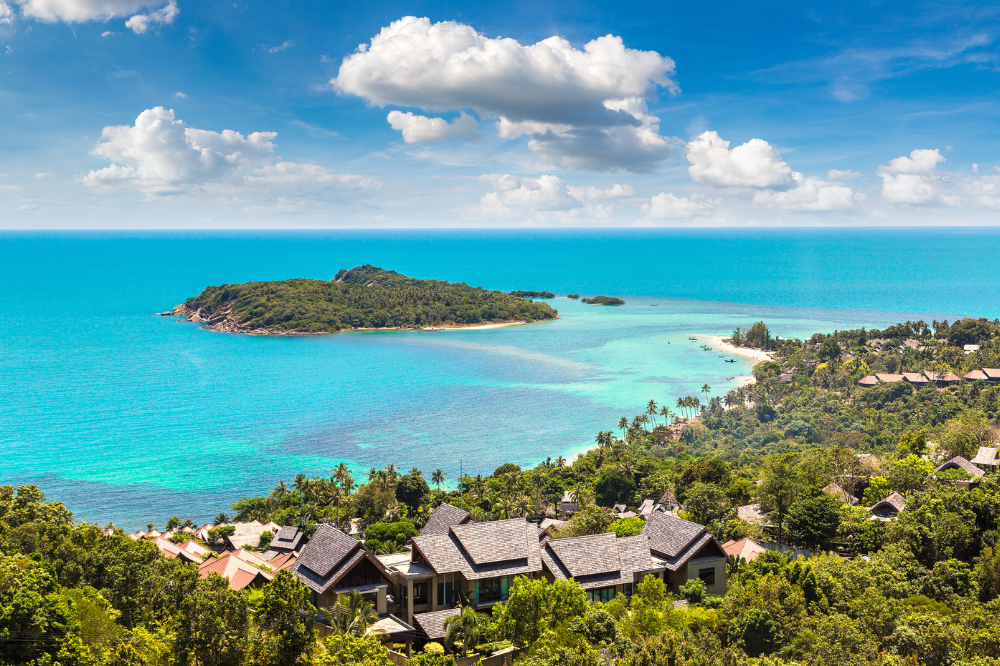
Koh Samui balances luxury with a relaxed island lifestyle.
Why you should choose Koh Samui:
- Tropical setting: beaches, diving, snorkelling and rainforest hikes.
- Lifestyle: upmarket homes and amenities, with many expats living in private villas.
- Amenities: a wide choice of coffee shops popular with expats and remote workers.
- Expat community: plenty of clubs and events make it easy to socialise.
- Culture: temples, markets and festivals keep local culture at the heart of island life.
- Convenience: the island has its own airport with flights to Bangkok.
Cost of living in Thailand in 2027
Thailand remains affordable compared with the UK. Rent for a one bedroom flat in a central area typically ranges from about 8,000 to 15,000 THB (roughly £190 to £350) a month, and a three bedroom house in a suburban area from about 15,000 to 30,000 THB (roughly £350 to £700).
Local food at street stalls or small restaurants often costs 100 to 200 THB (roughly £2 to £5) per meal. Western food and imported goods are available in most Thai cities but cost more.
Healthcare and safety
Thailand has good private healthcare, especially in Bangkok, Chiang Mai and Phuket. Expats can use modern hospitals and clinics with English speaking doctors. The NHS does not cover you once you move abroad, so private health insurance is essential, and some visas require it.
Thailand is generally considered a safe place to live. Take the same standard precautions you would anywhere, and check the latest GOV.UK foreign travel advice before you go.
Banking
Once you have your visa, opening a Thai bank account is a sensible next step. You will usually need your passport, visa, proof of address and sometimes a letter from your employer or embassy. Requirements vary by bank and branch, so check in advance. A local account makes renting a home and paying bills much easier.
Property and rentals: finding your new home
Thailand offers a wide range of rentals, from modern flats near busy districts to houses in the suburbs and traditional homes in quieter areas. Prices depend on location, size and facilities.
You can search through local estate agents and online portals. Foreigners can usually own a condominium unit (within the foreign ownership quota of the building), but cannot own land in their own name. Take independent legal advice before buying.
Shipping your belongings to Thailand
Many people moving to Thailand from the UK ship a smaller load, using a shared (groupage) container or air freight for essentials. Thai customs rules apply to household goods, so keep an inventory and the right paperwork. Pickfords international removals can handle packing, shipping and customs for you, and our pet shipping service can help if you are taking a pet.
The cost depends on volume, shipping method, packing and access, so request a free quote for an accurate price. Keeping some belongings in the UK? Self storage starts from £18, with drive-up self storage for long term needs. Choose a secure facility to keep your belongings safe at all times.
Frequently asked questions
- Can I move to Thailand from the UK?
Yes, UK citizens can move to Thailand on a long stay visa. Popular routes include the Destination Thailand Visa for remote workers, retirement visas for people aged 50 or over, work visas with a Thai employer and the Long-Term Resident visa. There is no working holiday scheme for UK citizens.
- How do I move to Thailand from the UK?
Choose the right visa, gather your documents and apply online through thaievisa.go.th. Then decide where to live, book a removals survey, arrange any pet travel and sort your UK affairs before you fly. Once there, open a bank account and confirm your health insurance.
- What is the best place to live in Thailand?
It depends on your lifestyle. Bangkok suits professionals, Chiang Mai is ideal for culture and lower costs, Phuket and Koh Samui offer island living and Hua Hin is popular with families and retirees.
- What are the best places to live in Thailand for UK expats?
Chiang Mai is popular for its affordability and British community, Bangkok for jobs and international amenities, Phuket for beach life with good infrastructure, Hua Hin with British retirees and Koh Samui for upmarket island living.
- What are the best neighbourhoods in Phuket for expat families?
Chalong is central with good access to international schools, Rawai has a relaxed beach town feel, Kathu is close to international schools with more affordable housing and Bang Tao offers villas near the Laguna area. Phuket Town is more budget friendly than beachfront areas.
- Can I work in Thailand on a Destination Thailand Visa?
The DTV is designed for remote work for employers or clients outside Thailand. Working for a Thai company needs a Non-Immigrant B visa and a work permit. Check the latest rules on the official e-Visa website.
- Do I need health insurance to live in Thailand?
Yes, in practice. The NHS does not cover you once you live abroad, and some visas, such as the Non-Immigrant O-A retirement visa, require health insurance as a condition of the visa.
Thailand offers a great range of options for British expats, from the mountains of Chiang Mai to the beaches of Hua Hin. At Pickfords, we know moving to Thailand is exciting and a big step, which is why we offer packing, shipping and customs support tailored to your needs. Request a free quote for your international move or get in touch with our expert team for personalised advice.